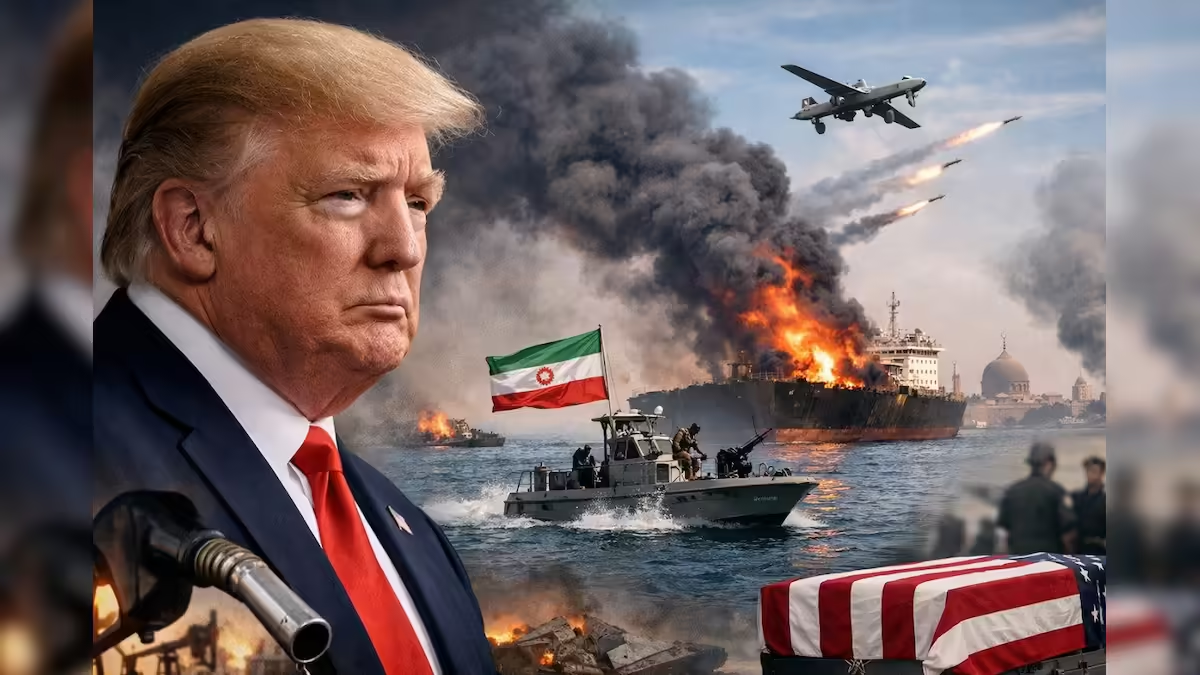
The next 24 hours are crucial as significant decisions may emerge from the ongoing Iran-U.S. talks. The discussions have been closely monitored by international observers, as they hold the potential to either escalate the ongoing conflict or pave the way for a ceasefire. The stakes are high, and the world is watching closely to see if a diplomatic resolution can be achieved.
The possibility of a ceasefire has sparked debates about whether it would lead to a lasting peace or merely serve as a temporary pause in hostilities. Analysts are divided; some believe that if both parties can agree on terms, it could lead to a more stable situation in the region. On the other hand, there are concerns that a ceasefire might not be enough to quell tensions, and that the underlying issues could reignite, leading to an even more intense conflict.
As negotiations unfold, the impact of any agreements made could extend beyond the immediate parties involved. Regional allies and adversaries alike are likely to react based on the outcomes of these discussions. The implications for global security and economic stability are significant, particularly given the strategic importance of Iran in the Middle Eastern geopolitical landscape. Thus, the next 24 hours will not only determine the future of U.S.-Iran relations but also have far-reaching consequences for international diplomacy and security.