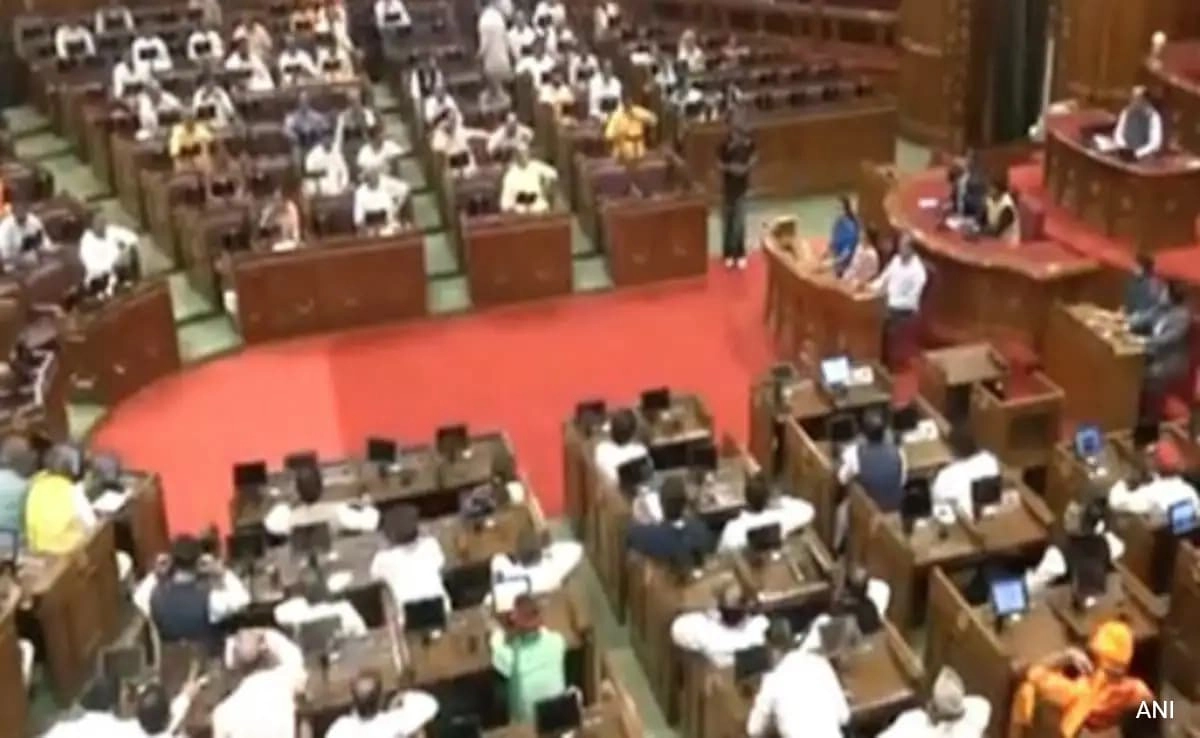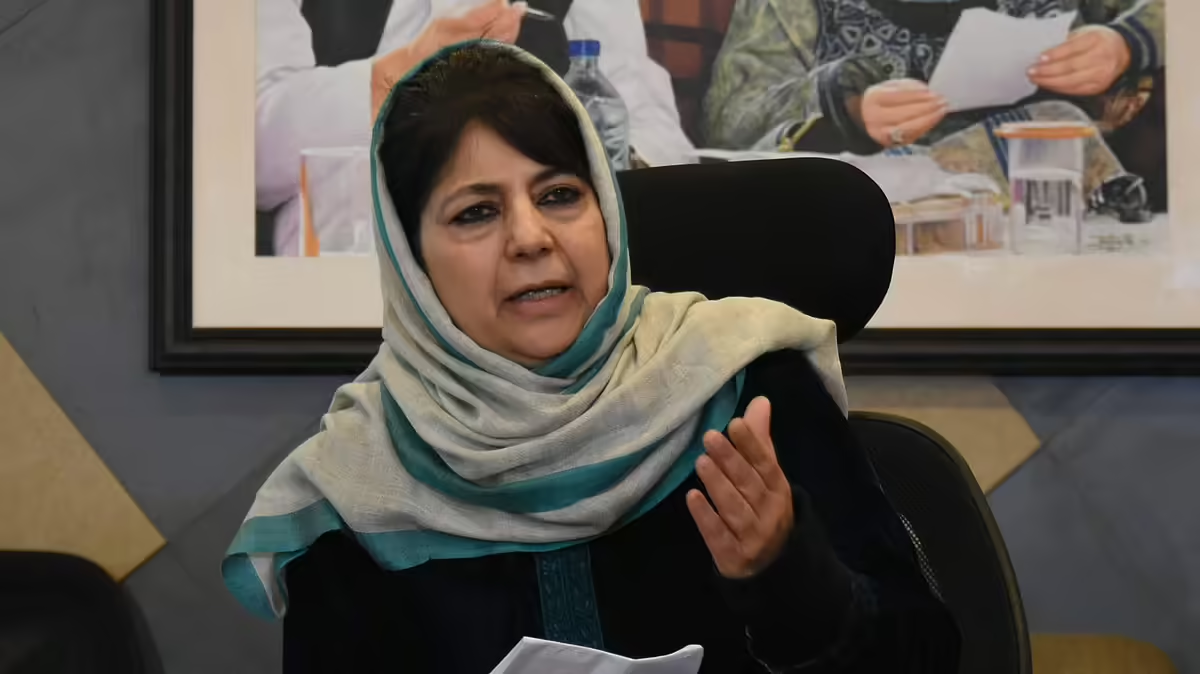
In the recent Rajya Sabha elections in Jammu and Kashmir, allegations of cross-voting have emerged, leading to heightened tensions between the National Conference (NC) and the People’s Democratic Party (PDP). Cross-voting, which refers to the practice of lawmakers voting against their party’s official candidates, has raised concerns about the integrity of the electoral process in the region. Such accusations have the potential to destabilize political alliances and create rifts among parties that are already navigating a complex political landscape.
The NC and PDP, both significant players in Jammu and Kashmir’s political arena, have historically maintained a competitive yet sometimes cooperative relationship. However, the allegations of cross-voting have exacerbated existing rivalries, prompting both parties to engage in a war of words. Leaders from each party have publicly denounced the other’s actions, claiming that such maneuvers undermine the democratic process and tarnish the credibility of their respective parties. This situation has not only intensified political animosities but has also drawn the attention of the electorate, leading to questions about the future of political collaboration in the region.
As the political climate becomes increasingly charged, the focus now shifts to how these allegations will impact future elections and party dynamics. The NC and PDP must navigate the fallout from these accusations while attempting to maintain their voter base and credibility. With the political landscape in Jammu and Kashmir being fragile, the consequences of cross-voting could have long-lasting implications for both parties, potentially influencing their strategies and alliances moving forward. The ongoing tension highlights the challenges faced by regional parties in a rapidly changing political environment, where trust and loyalty are continually tested.