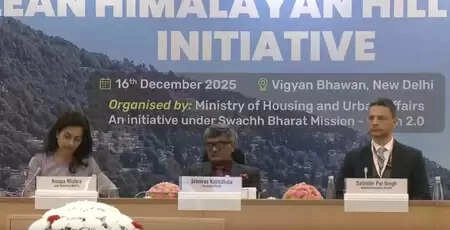
The Clean Himalayan Hill Cities Initiative is a groundbreaking effort aimed at transforming the Himalayan hill cities into waste-free environments. This initiative recognizes the unique challenges faced by these regions, including the delicate ecosystem, the impact of tourism, and the increasing waste generated by both residents and visitors. The initiative seeks to address these pressing issues through a comprehensive approach that combines community engagement, sustainable practices, and innovative waste management solutions.
One of the primary objectives of this initiative is to promote awareness among local communities about the importance of waste segregation and responsible disposal methods. By organizing workshops and outreach programs, the initiative aims to educate residents on the significance of reducing waste generation and adopting eco-friendly habits. Furthermore, the initiative is expected to foster collaboration among local governments, non-governmental organizations, and community members to develop and implement effective waste management strategies tailored to the specific needs of each hill city.
In addition to community involvement, the Clean Himalayan Hill Cities Initiative emphasizes the use of sustainable technologies for waste management. This includes the introduction of recycling programs, composting facilities, and waste-to-energy projects that can help minimize the amount of waste sent to landfills. By leveraging innovative solutions, the initiative aims to create a circular economy that not only reduces waste but also generates economic opportunities for local residents.
Ultimately, the success of the Clean Himalayan Hill Cities Initiative will depend on the collective efforts of all stakeholders involved. By working together, cities in the Himalayan region can pave the way for a cleaner, healthier environment that preserves the natural beauty of the mountains while enhancing the quality of life for residents and visitors alike. This initiative not only addresses the immediate concerns of waste management but also contributes to the long-term sustainability of the region, ensuring that future generations can enjoy the pristine landscapes and cultural heritage of the Himalayas.