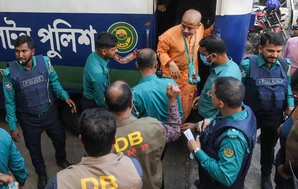
After the political changes in Bangladesh in 2024, there have been increasing allegations regarding the misuse of the law, with accusations that innocent individuals are being wrongfully implicated. This situation has raised serious concerns about the integrity of the judicial system and the protection of human rights within the country. Critics argue that the government is leveraging legal mechanisms to suppress dissent and silence opposition voices, leading to a climate of fear among the populace.
Many observers point to specific cases where individuals have been arrested or charged without substantial evidence, suggesting that these actions are politically motivated rather than grounded in legitimate legal processes. Human rights organizations have condemned these practices, calling for an independent investigation into these allegations of wrongful detentions and the arbitrary application of laws. The implications of such misuse of power are profound, as they undermine the rule of law and erode public trust in governmental institutions.
Moreover, the political landscape in Bangladesh is characterized by heightened tensions and polarization. As opposition parties voice their concerns over these legal abuses, the government appears to be doubling down on its stance, insisting that such measures are necessary to maintain order and stability. This ongoing conflict between state authority and civil liberties poses significant challenges for the future of democracy in Bangladesh, as the balance between security and freedom continues to be tested. The international community is watching closely, urging the Bangladeshi government to adhere to fundamental human rights principles and ensure that justice is served fairly and equitably for all citizens.