
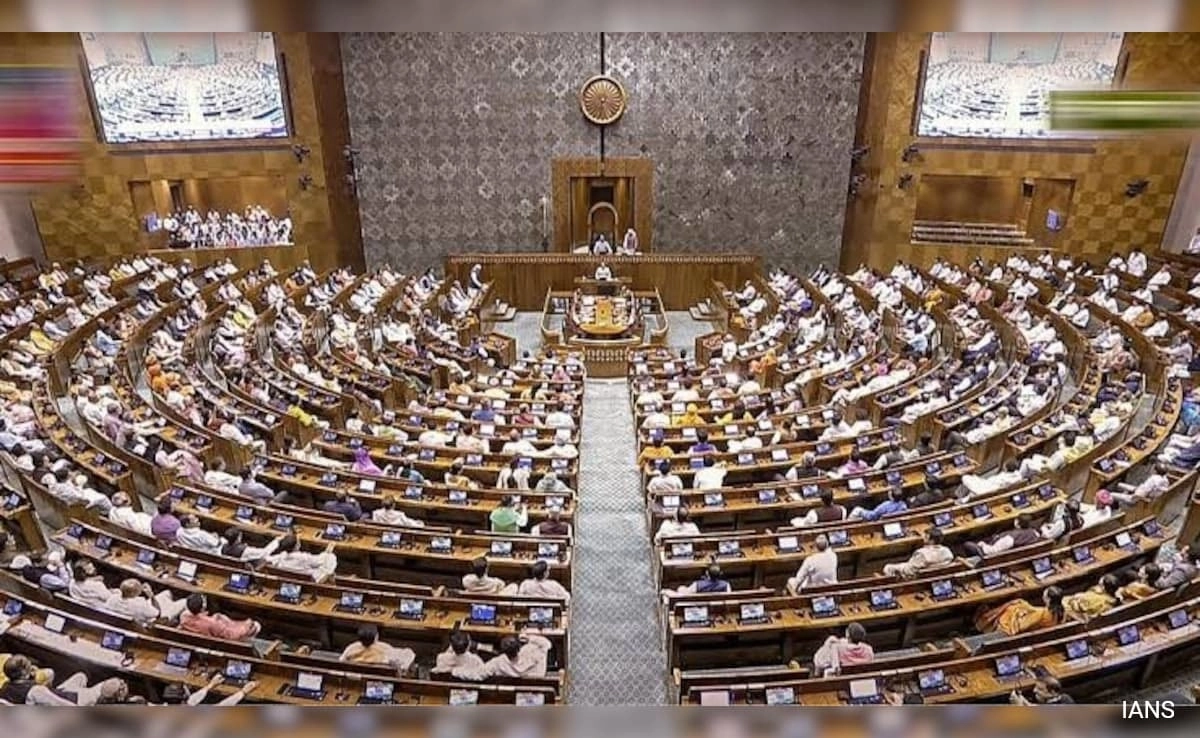
The recent legislative developments in the Centre have sparked significant public interest, particularly regarding the proposed bills aimed at facilitating the removal of Prime Ministers and Chief Ministers who are arrested on serious charges. This move has raised eyebrows among political analysts and the general populace alike, as it suggests a shift in the balance of power and accountability at the highest levels of government. The bills are seen as a response to growing concerns over corruption and abuse of power among elected officials, and they aim to establish a framework that holds leaders accountable for their actions while in office.
According to sources, the bills outline a clear process for the removal of a sitting Prime Minister or Chief Minister if they face serious criminal charges. This includes a thorough investigation and a subsequent vote of no confidence in the legislative assembly. Proponents of the bill argue that it is necessary to uphold democratic principles and ensure that leaders are not above the law. They contend that such measures could restore public trust in government institutions, which have often been marred by scandals and allegations of misconduct.
However, the proposed legislation has also faced criticism from various political factions. Opponents argue that it could be misused as a political tool to undermine rivals or to destabilize governments. They express concerns that the criteria for “serious charges” might be too vague, potentially leading to arbitrary actions against political opponents. Additionally, there are fears that this could create a chilling effect, where elected officials might be hesitant to make bold decisions for fear of political repercussions.
As the bills move through the legislative process, the debate around them is likely to intensify, reflecting deeper issues within the governance framework. It remains to be seen how these proposals will be received by the public and whether they will ultimately lead to meaningful changes in how political accountability is enforced in the country. The outcome of this legislative initiative could have far-reaching implications for the future of political leadership and governance, shaping the landscape of accountability and transparency in the coming years.


