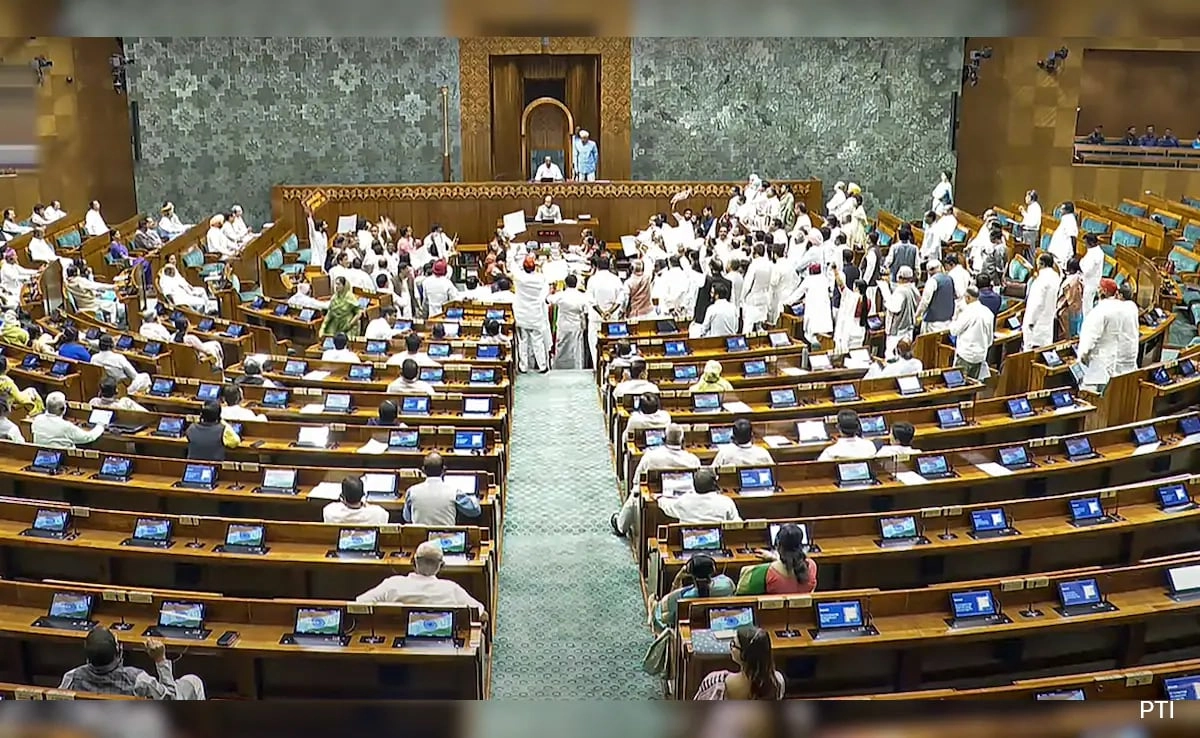
The recent legislative bill aimed at removing chief ministers who have been convicted and incarcerated has sparked significant debate across the political landscape. This proposed law seeks to address the growing concern over the integrity and accountability of elected officials in the wake of corruption and criminal activities. Advocates of the bill argue that it is a necessary step to uphold democratic values and ensure that individuals in positions of power are held to the same legal standards as ordinary citizens. By disqualifying those who have been found guilty of serious offenses, the bill aims to restore public trust in governance and prevent individuals with criminal backgrounds from influencing state affairs.
Opponents of the bill, however, raise concerns about the potential for misuse and political manipulation. Critics argue that such legislation could be weaponized against political rivals, undermining the democratic process and leading to further polarization. They contend that the bill could disenfranchise voters who support these leaders, effectively overturning the results of legitimate elections. Additionally, there are fears that the bill may not adequately consider the nuances of the judicial process, as individuals may be appealing their convictions or may be convicted in politically motivated trials. This perspective highlights the complexity of balancing accountability with the principles of justice and fair representation.
The implications of this bill extend beyond the immediate political ramifications; they touch on broader societal issues, including the perception of the justice system and the role of elected officials. If passed, this legislation could set a precedent for how the government manages the intersection of law and politics, influencing future legislation regarding public office and criminal convictions. The discussion surrounding the bill also raises questions about the public’s role in holding their elected officials accountable and the importance of establishing a framework that supports ethical governance while safeguarding democratic processes.
As the bill moves through the legislative process, it will be crucial for lawmakers to engage in thorough discussions, considering the viewpoints of various stakeholders, including legal experts, political analysts, and the general public. The outcome of this bill could have lasting effects on the political landscape, shaping the future of governance and the relationship between citizens and their elected officials. Ultimately, the challenge lies in crafting a solution that balances the need for accountability with the protection of democratic principles and the rights of individuals, ensuring that the rule of law prevails without compromising the integrity of electoral processes.