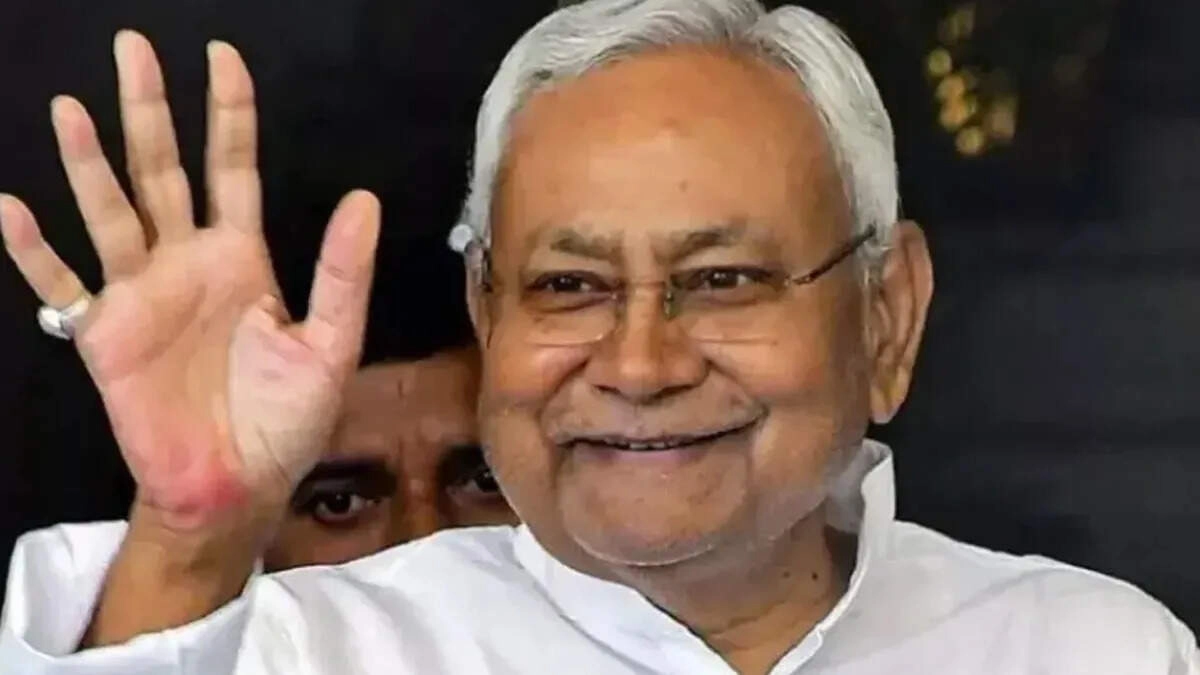
In a significant development in the politics of Bihar, Chief Minister Nitish Kumar has decided to resign from his position as Member of the Legislative Council (MLC). This unexpected move has stirred discussions and speculations regarding the future of political dynamics in the state. Despite stepping down from the MLC role, Kumar will continue to serve as the Chief Minister of Bihar, a position he has held for multiple terms and has been a central figure in the state’s governance.
Nitish Kumar’s resignation from the MLC is seen as a strategic move, possibly aimed at reshaping his political influence and focusing on state administration. His leadership has been characterized by a commitment to development and governance, and this decision may reflect a desire to concentrate on his responsibilities as Chief Minister without the additional duties associated with being an MLC. This shift also highlights the evolving nature of political alliances and the importance of adaptability in the ever-changing landscape of Bihar politics.
The implications of this decision are manifold. It raises questions about the political landscape in Bihar and how it might shift with Kumar at the helm without the dual role of MLC. Observers are keen to see how this decision will impact his party’s strategy and alliances in the upcoming elections. Moreover, it may affect the dynamics within the Legislative Council, as his absence could lead to a reconfiguration of power among various political factions.
Overall, Nitish Kumar’s resignation from the MLC while maintaining the Chief Ministerial position marks a pivotal moment in Bihar’s political narrative. It underscores the complexities of governance and the need for leaders to navigate their roles effectively in order to uphold their political agendas and ensure stable governance for the people of Bihar. As the political scenario unfolds, it will be interesting to monitor how this change influences both Kumar’s leadership and the broader political environment in the state.