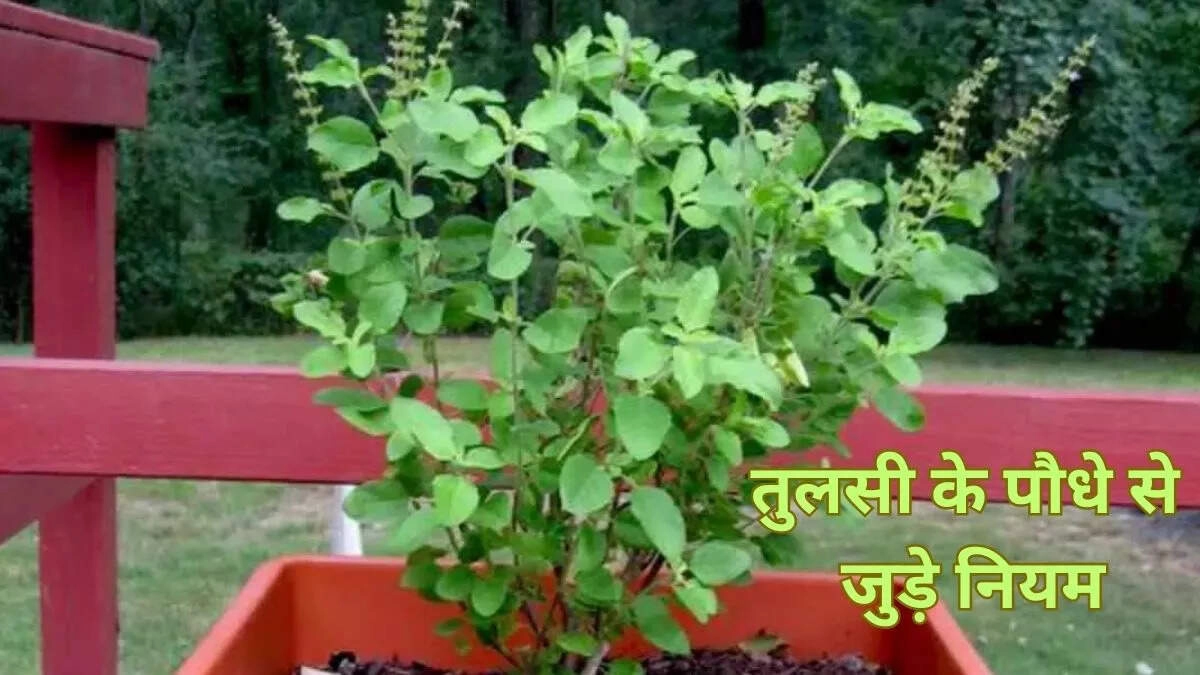
Tulsi, often referred to as the sacred basil, holds immense significance in Hindu culture and is revered for its spiritual and medicinal properties. However, many people unknowingly make mistakes in its placement or care, which can lead to negative energies in their homes. One of the most common errors is not placing the Tulsi plant in the right direction. According to Vastu Shastra, the ideal location for a Tulsi plant is in the northeast direction of the house. This placement is believed to attract positive energy and create a harmonious environment. If the plant is situated elsewhere, it could inadvertently bring about disharmony and misfortune.
Another mistake is neglecting the care of the Tulsi plant. It is essential to ensure that the plant receives adequate sunlight and water. A wilting or unhealthy Tulsi can symbolize neglect in the household, potentially inviting negativity. Regularly pruning the plant and ensuring it is free from pests can help maintain its vitality and, in turn, enhance the positive vibes of the home. Additionally, it is advisable to recite prayers or mantras while watering the plant, which can further strengthen its spiritual significance and promote a sense of well-being in the household.
To counteract any negative impacts caused by improper Tulsi care or placement, there are simple Vastu remedies that one can implement. For instance, one should consider placing a small mirror in front of the Tulsi plant to reflect positive energy throughout the space. Furthermore, lighting a diya (lamp) near the plant during evening prayers can enhance its spiritual aura. By making these small adjustments, individuals can cultivate a more auspicious atmosphere in their homes, ensuring that the presence of Tulsi remains a source of positivity and prosperity. Taking these steps not only honors the sanctity of the Tulsi plant but also aligns one’s living space with the principles of Vastu Shastra for overall well-being.