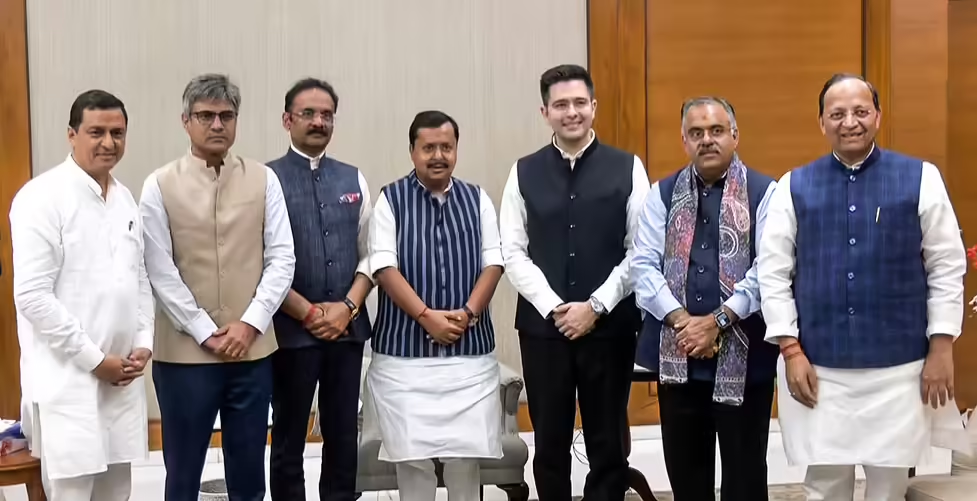
Raghav Chadha and other rebel MPs from the Aam Aadmi Party (AAP) have received recognition from the Rajya Sabha, marking a significant development in Indian politics. This move has sent shockwaves through the AAP leadership, particularly affecting Arvind Kejriwal, the party’s chief and the Chief Minister of Delhi. The recognition of these rebel MPs by the Rajya Sabha indicates a fracture within the party, highlighting discontent among certain members regarding the party’s direction and decision-making processes.
The situation has become increasingly complex as the party grapples with internal dissent. The rebels, including Raghav Chadha, have been vocal about their grievances, which they believe have not been adequately addressed by the party leadership. This rift could potentially lead to further fragmentation within AAP, threatening its unity and effectiveness in the political landscape. Kejriwal’s leadership is now under scrutiny as he attempts to navigate these turbulent waters and restore confidence among party members and supporters.
The implications of this development could extend beyond the party itself, affecting alliances and electoral strategies in the upcoming elections. As AAP seeks to maintain its relevance and influence, it will need to address the concerns of the rebel MPs and work towards reconciliation. Failure to do so could result in a loss of support, both from within the party and among the electorate. This situation serves as a reminder of the challenges political parties face in maintaining cohesion and addressing internal dissent, especially in a dynamic political environment like India.