
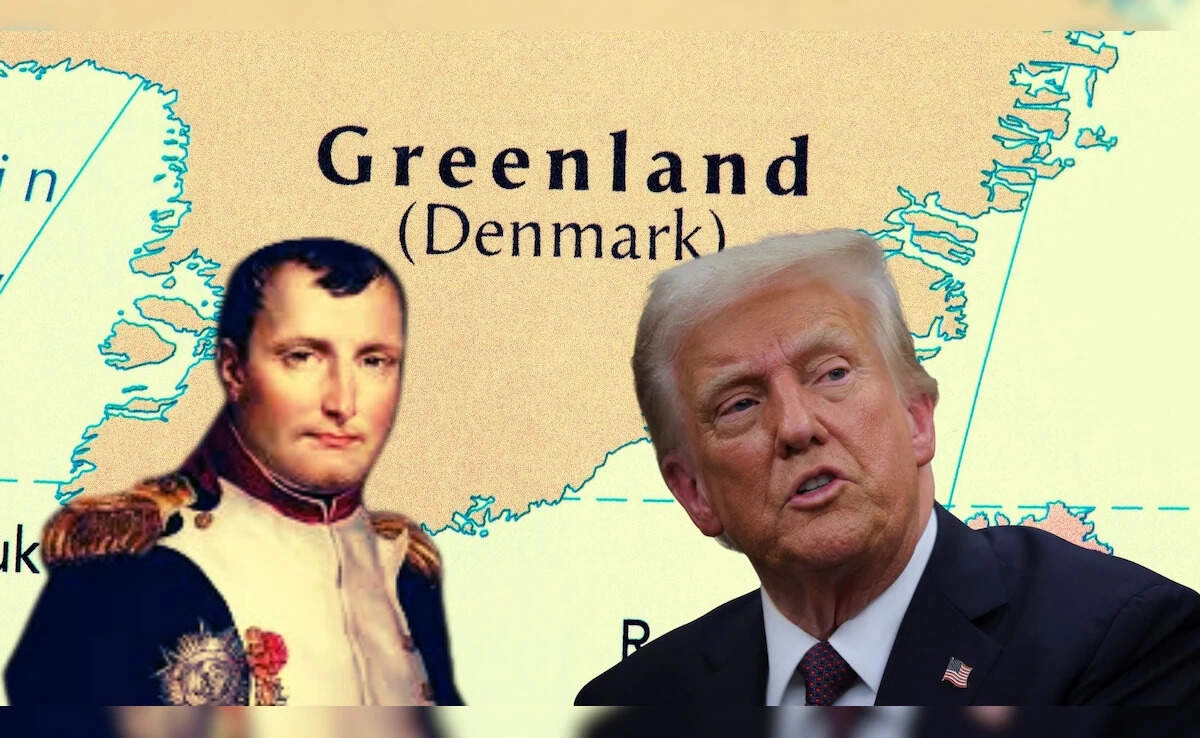
For over 200 years, the United States has shown interest in acquiring Greenland, an autonomous territory of Denmark. This fascination dates back to the early 19th century, when the idea of purchasing Greenland was first floated. Since then, the U.S. has made several attempts to secure the territory, with five notable efforts to buy or gain control over it. These attempts reflect not only the strategic importance of Greenland due to its geographic location but also the potential for natural resources and military advantages that the island offers.
The U.S. interest in Greenland intensified during World War II, when the territory became a crucial military base. However, the most recent attempt occurred in 2019 when former President Donald Trump expressed a desire to purchase Greenland, which was met with strong objections from Danish officials. This incident reignited discussions about the geopolitical significance of the island and the implications of U.S. intentions on international relations, especially with Europe.
Currently, the focus is on Europe’s reaction to America’s longstanding interest in Greenland. European nations, particularly Denmark, are monitoring the situation closely, as any shift in control over Greenland could alter the balance of power in the Arctic region. The increasing interest from global superpowers in Arctic resources and strategic locations underscores the importance of diplomatic relations and negotiations. As the world navigates the complexities of climate change and geopolitical tensions, Greenland remains a focal point in discussions about sovereignty, resource management, and international cooperation.


