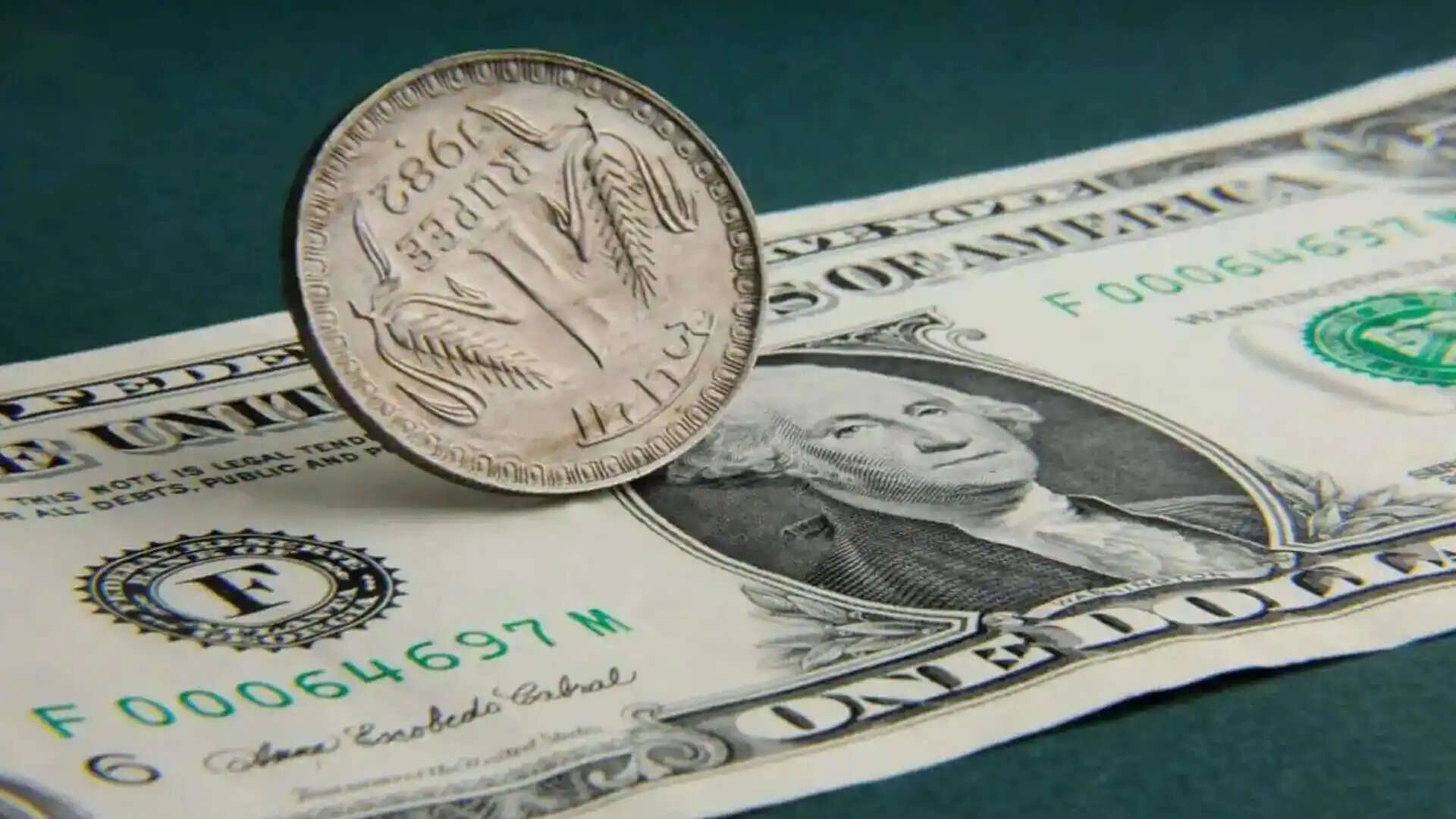
The Indian rupee has witnessed a historic decline, reaching a record low of 93.24 against the US dollar. This significant drop in value has raised concerns among economists and financial analysts, who are closely monitoring the implications of such depreciation on the Indian economy. The rupee’s fall can be attributed to various factors, including global economic trends, shifts in investor sentiment, and domestic financial conditions. As the currency weakens, it becomes more expensive to import goods, which can lead to increased inflation and affect the overall cost of living for the average citizen.
In the video discussing this situation, experts highlight the potential challenges that the Indian government and the Reserve Bank of India may face in stabilizing the currency. A weaker rupee can impact foreign investment, as investors may seek safer assets or currencies. Additionally, the rising cost of imports can put pressure on businesses that rely on foreign goods and materials, potentially leading to higher prices for consumers. This situation calls for strategic measures to bolster the rupee’s value and restore confidence in the Indian economy.
The implications of the rupee’s decline extend beyond just currency value; they also impact trade balances and economic growth. As the rupee depreciates, exports may become more competitive in international markets, but the overall economic environment can be challenging. The government may need to implement fiscal and monetary policies to address these issues, promote stability, and encourage investment. It is crucial for policymakers to navigate this complex scenario carefully, considering both short-term and long-term strategies to strengthen the rupee and support economic growth.