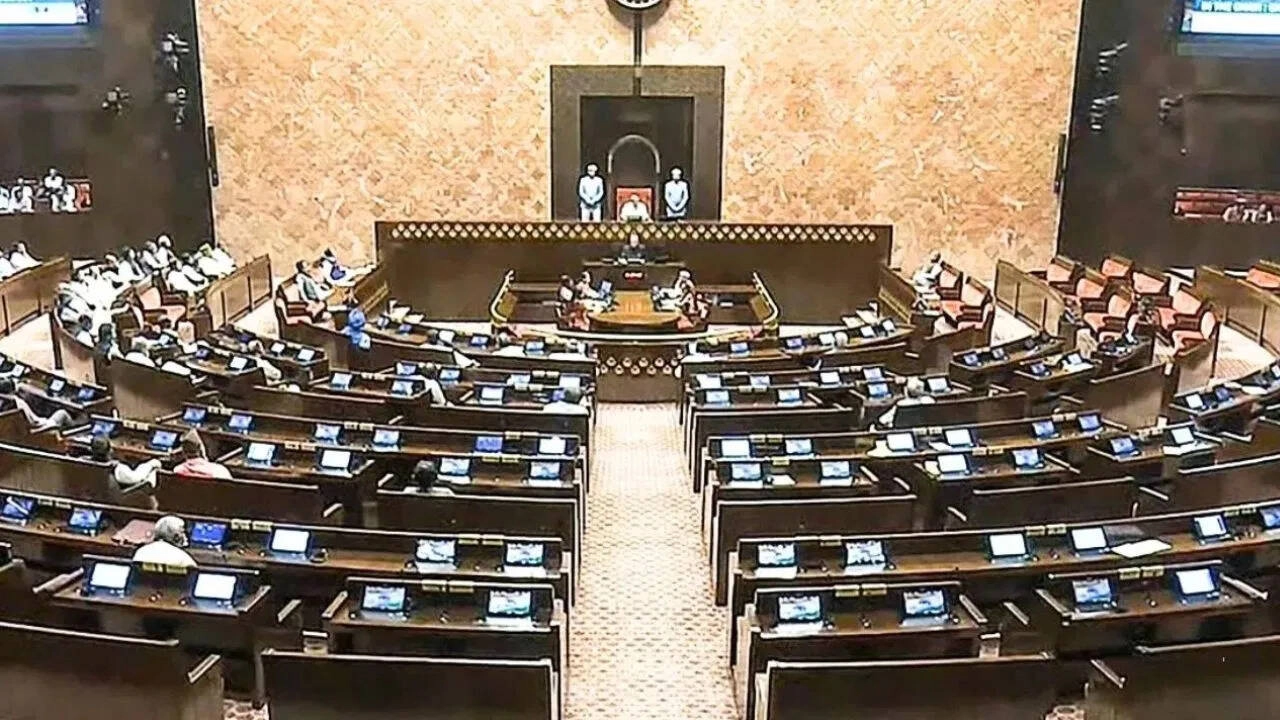
In the recent Rajya Sabha elections in Bihar, the Grand Alliance faced a significant setback, which has become a topic of political discussion and speculation. The absence of four key legislators from the alliance during the election process raised eyebrows and sparked concerns about the unity and strength of the coalition. This unexpected development has fueled debates on the potential implications for the alliance’s future and its ability to maintain cohesion in the face of challenges.
The four legislators’ absence was not merely a logistical issue; it signified deeper rifts within the Grand Alliance. Political analysts are now questioning the reasons behind their non-participation, speculating whether it was due to internal disagreements or external pressures. This situation has led to discussions about the stability of the coalition, which comprises various parties with differing ideologies and agendas. The Grand Alliance, which was formed to counter the ruling party, is now under scrutiny as it grapples with maintaining its integrity and effectiveness.
In the context of Bihar’s political landscape, this incident highlights the fragility of alliances in a competitive environment. The Rajya Sabha elections are crucial, as they not only determine representation at the national level but also influence state politics. The absence of these legislators could potentially weaken the Grand Alliance’s bargaining power and its ability to secure crucial legislative support. As the political narrative unfolds, observers are keenly watching how the alliance will address this challenge and whether it can regroup to present a united front in future electoral battles.