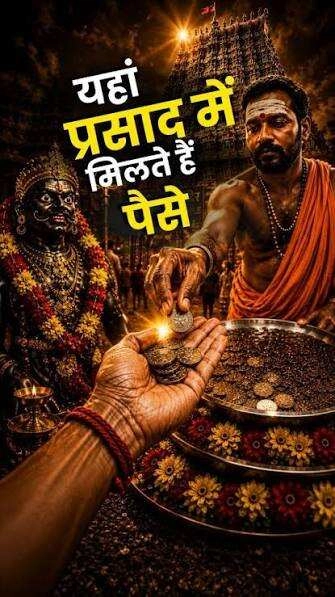
In India, temples are not just places of worship; they often serve as cultural hubs where unique traditions thrive. One such intriguing practice involves the offering of wealth as prasad, rather than the more common sweets or fruits. This fascinating custom can be found in several temples across the country, surprising visitors and devotees alike.
One notable example is the famous Mahalakshmi Temple in Mumbai, where it is customary for devotees to offer money to the goddess. The belief is that the goddess blesses her devotees with prosperity in return. Many people visit this temple with the hope of receiving financial abundance, making it a significant pilgrimage site for those seeking wealth and success. The tradition of giving and receiving monetary prasad creates a unique spiritual experience that intertwines faith with the aspiration for material well-being.
Another temple that follows this unconventional practice is the Shree Siddhivinayak Ganapati Temple, also located in Mumbai. Here, devotees often donate money, and in return, they receive blessings from Lord Ganesh. This exchange symbolizes not just a transaction but a deeper connection between the devotee and the divine. The belief is that the more one gives, the more one receives, fostering a sense of community and shared purpose among visitors.
Such traditions highlight the diverse and rich tapestry of Indian religious practices. They challenge the conventional notion of prasad being limited to edible offerings, showcasing instead a belief system that intertwines spirituality with material aspirations. For many, these temples serve as a reminder that devotion can manifest in various forms, including the pursuit of financial stability and prosperity. Overall, these unique customs invite individuals to explore the deeper meanings behind their faith, encouraging them to reflect on their relationship with both the divine and the material world.