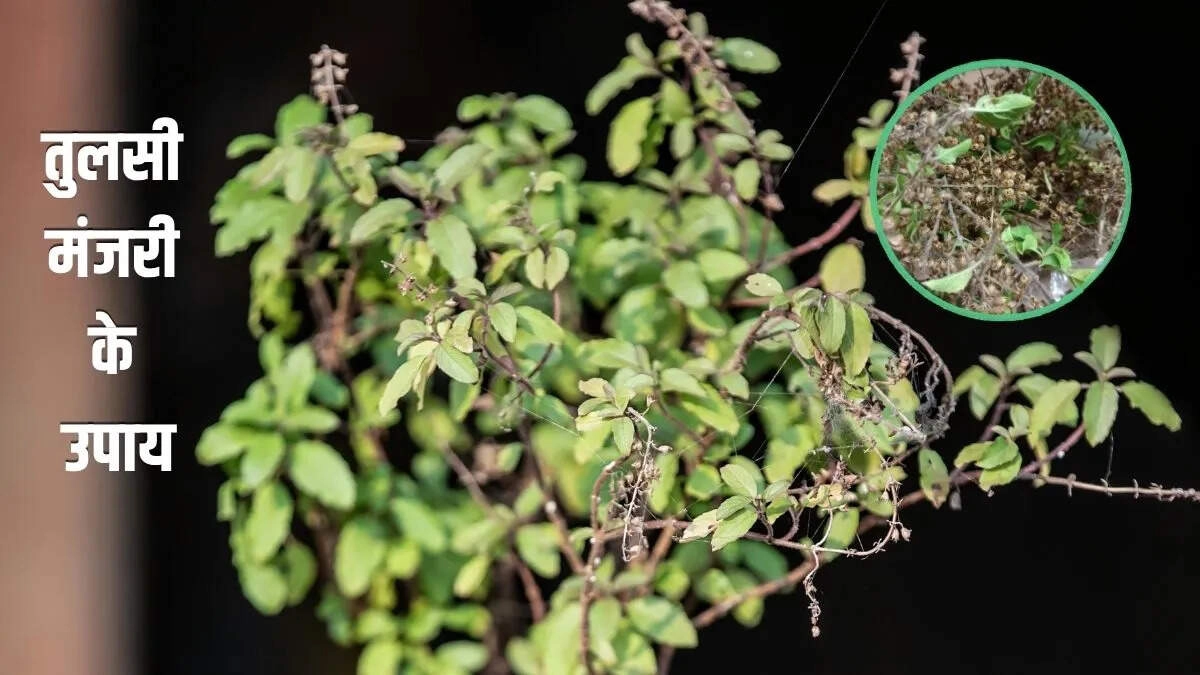
The Tulsi plant, scientifically known as Ocimum sanctum, holds a significant place in both Vastu Shastra and astrology. It is regarded as a symbol of auspiciousness and prosperity in Indian culture. The plant is not only revered for its medicinal properties but also for its spiritual significance. In many households, especially in Hindu families, Tulsi is worshipped daily, and its leaves are considered sacred. This practice is deeply rooted in tradition, emphasizing the importance of this plant in promoting peace and harmony within the home.
In Vastu Shastra, it is believed that planting Tulsi in the right direction can enhance the positive energy in a home. Typically, it is recommended to place the Tulsi plant in the northeast corner of the house, as this direction is associated with prosperity and spiritual growth. The presence of Tulsi is said to ward off negative energies and promote a sense of well-being among the inhabitants. Additionally, the plant is often used in rituals and ceremonies, further solidifying its role as a harbinger of good fortune.
Astrologically, Tulsi is associated with the planet Venus, which symbolizes love, beauty, and abundance. Those who have a strong Venus in their birth chart are often encouraged to keep a Tulsi plant at home to enhance their luck and attract positive energies. The rituals involving Tulsi can also be beneficial during certain planetary alignments, helping individuals navigate challenges and foster growth in various aspects of their lives.
In conclusion, the Tulsi plant is more than just a botanical marvel; it embodies cultural beliefs surrounding prosperity, positivity, and wellness. By incorporating Tulsi into one’s living space, individuals can not only beautify their surroundings but also invite an atmosphere of harmony and abundance. Whether for religious practices or simply as a decorative element, the significance of Tulsi in Vastu and astrology continues to be cherished in modern times.