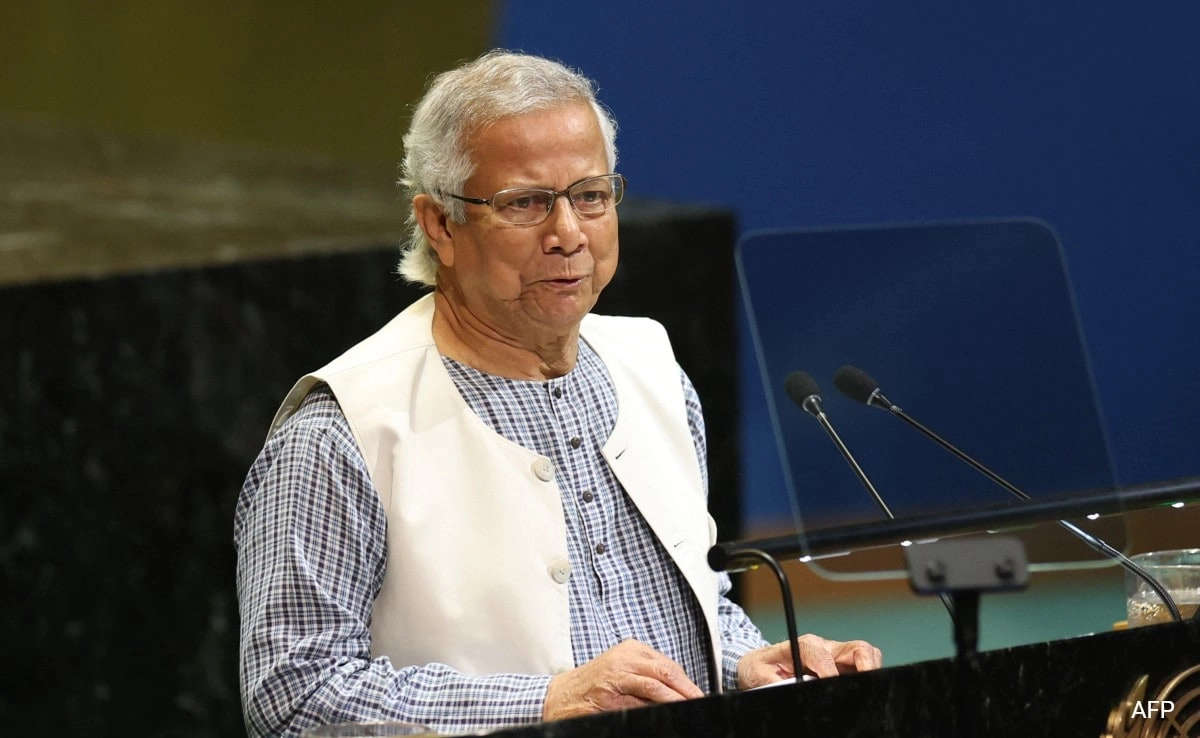
In a recent address at the United Nations, Muhammad Yunus, the renowned Bangladeshi social entrepreneur and Nobel laureate, urged for the revival of the South Asian Association for Regional Cooperation (SAARC). Yunus emphasized the importance of regional collaboration in addressing pressing issues such as poverty, climate change, and economic development that affect the South Asian region. He highlighted the potential of SAARC to foster unity and cooperation among its member states, which include Afghanistan, Bangladesh, Bhutan, India, Maldives, Nepal, Pakistan, and Sri Lanka. Yunus’s call comes at a time when South Asia faces significant challenges, including rising economic disparities and environmental threats, which require a coordinated response from all member nations.
Yunus pointed out that the SAARC framework, established in 1985, has the potential to be a powerful platform for collective action. However, it has struggled in recent years due to political tensions among member countries, particularly between India and Pakistan. In his address, he called for a renewed commitment to dialogue and cooperation, urging leaders to set aside their differences in favor of a shared vision for the future of the region. He argued that the challenges faced by South Asia are too great to be tackled by individual nations alone and that collaborative efforts could lead to sustainable solutions that benefit all member states.
Furthermore, Yunus emphasized the role of civil society and grassroots initiatives in driving change. He expressed optimism that, with the right support and cooperation, local communities can play a vital role in addressing issues such as poverty alleviation and environmental sustainability. By reviving SAARC, Yunus believes that member countries can create an environment where innovative ideas and solutions can flourish, ultimately leading to improved living standards and greater stability in the region. His vision for SAARC is not merely political; it encompasses a holistic approach to development that integrates economic growth with social equity and environmental stewardship.
In conclusion, Muhammad Yunus’s call for the revival of SAARC resonates deeply in a time when regional cooperation is more crucial than ever. The challenges facing South Asia demand a united response, and SAARC could serve as a vital mechanism for fostering that collaboration. By prioritizing dialogue, cooperation, and the involvement of civil society, Yunus envisions a future where the nations of South Asia can work together to overcome their shared challenges and build a prosperous and sustainable region for all.