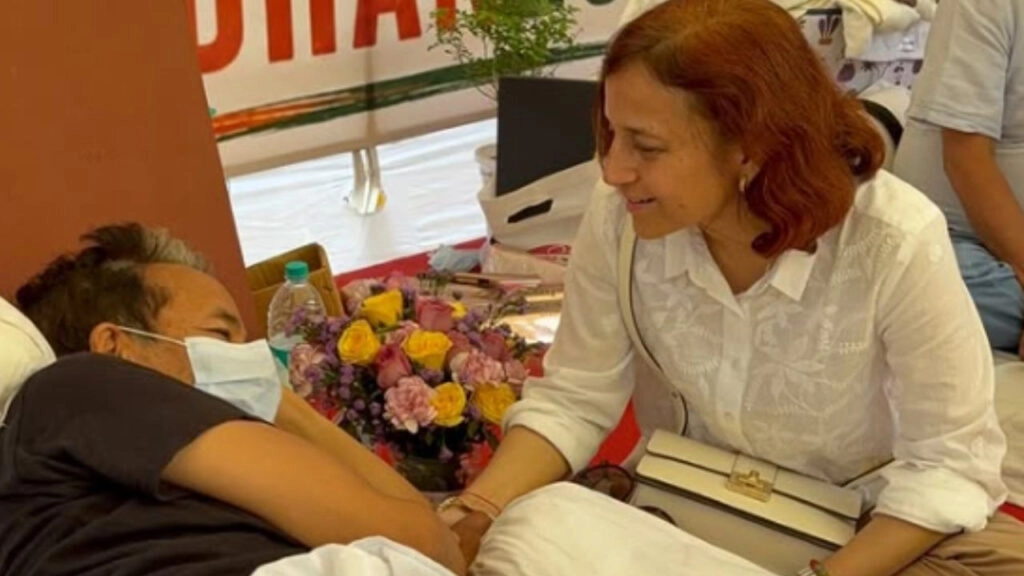
Sonam Wangchuk’s wife has taken her concerns regarding the treatment of her husband to the High Court, expressing a lack of faith in the care being provided at Safdarjung Hospital. This decision comes amid growing worries about the quality of medical attention and facilities available at the government-run institution. Wangchuk, a prominent figure known for his contributions to education and environmental activism in India, is currently receiving treatment there, and his wife believes that a private hospital would offer better medical services and attention.
In her petition to the High Court, she highlighted several issues that have led to her distrust of Safdarjung Hospital. These include delays in treatment, inadequate facilities, and a perceived lack of proper attention from the medical staff. Her appeal underscores a broader concern among many patients and their families regarding the state of public healthcare facilities, particularly in critical situations where timely and effective medical intervention is crucial.
The High Court’s response to her petition could set a precedent for other patients facing similar dilemmas. It raises important questions about the state of healthcare in India, especially concerning the disparities between public and private medical institutions. As the healthcare system continues to grapple with various challenges, the case could also prompt discussions on how to improve healthcare delivery and ensure that all patients receive the quality of care they deserve, irrespective of the type of hospital they are admitted to.
Sonam Wangchuk’s situation has garnered public attention, and his wife’s appeal could resonate with many others who have experienced similar frustrations. The outcome of her plea may not only impact Wangchuk’s treatment but also highlight the urgent need for reforms within the public healthcare system to restore trust and ensure that patients receive adequate care when they need it most.