In a significant breach of protocol, White House officials unintentionally shared sensitive information regarding the Yemen War plan with a journalist. This incident raises critical questions about the safeguards in place to protect classified information and the protocols governing communication between government officials and the media. The unintended disclosure occurred during a routine briefing where officials were discussing military strategies and diplomatic efforts in the region. The journalist, who was present, received detailed insights into the U.S. approach to the conflict, including operational tactics and strategic objectives.
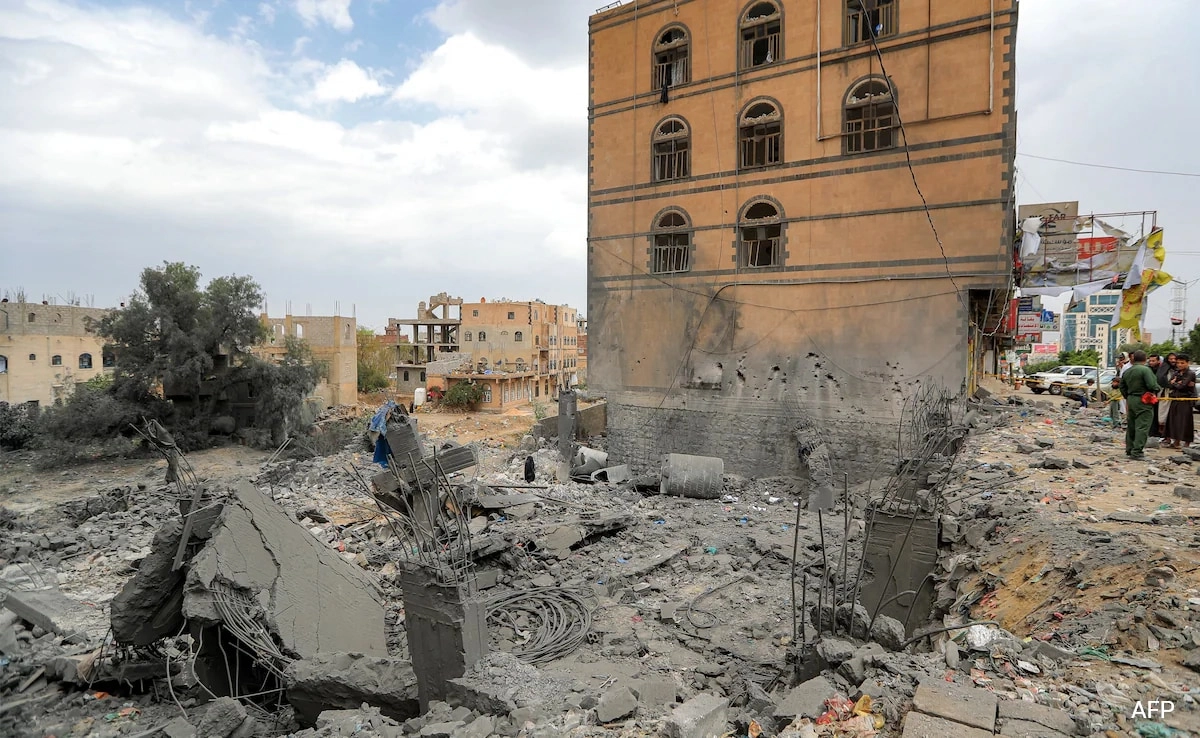
The implications of such a leak are profound, particularly in the context of national security and military operations. The Yemen War, a complex and ongoing conflict involving multiple factions and external powers, has already seen significant U.S. involvement. Sharing detailed plans not only jeopardizes the safety of personnel on the ground but also undermines the overall effectiveness of U.S. strategies in the region. Furthermore, it could potentially provide adversaries with valuable intelligence that could be used against U.S. interests or allies in the conflict.
This incident highlights the delicate balance that must be maintained between transparency and security in government communications. While the press plays a vital role in informing the public and holding officials accountable, the inadvertent release of classified information poses risks that cannot be overlooked. In the wake of this event, it is crucial for the White House and other governmental departments to review and reinforce their protocols regarding the dissemination of sensitive information. Implementing stricter guidelines and conducting thorough training for officials on the handling of classified material could help prevent similar occurrences in the future.
Additionally, this incident serves as a reminder of the challenges faced by journalists in their pursuit of information. While they often navigate complex legal and ethical landscapes to uncover the truth, they also rely on the responsible behavior of officials to protect sensitive information. The relationship between the media and government is inherently fraught with tension, as the need for accountability can sometimes conflict with the necessity of operational security. Moving forward, both sides must work collaboratively to ensure that national security is upheld while still allowing for the critical role of the press in a democratic society.