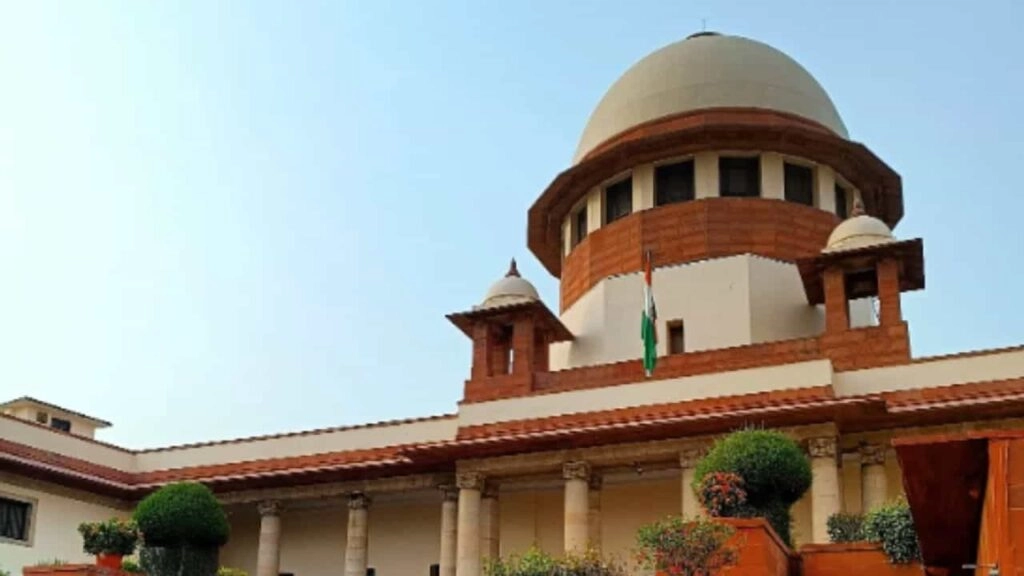
The West Bengal government has recently made a significant decision regarding the reservation for Other Backward Classes (OBC) in the state. It has withdrawn its appeal from the Supreme Court against a judgment issued by the Calcutta High Court. This development comes in the wake of the High Court’s ruling, which had implications for the reservation policy that affects a substantial segment of the population in West Bengal. The withdrawal of the appeal indicates a shift in the government’s approach towards implementing OBC reservations, reflecting the complexities and challenges that surround this sensitive issue.
The controversy began when the Calcutta High Court made a ruling that questioned the validity of the state’s OBC reservation policy. The court found certain aspects of the policy to be inconsistent with legal frameworks, leading the government to challenge this decision in the Supreme Court. However, after careful consideration, the state government has decided to retract its appeal, which raises questions about the future of OBC reservations in West Bengal. This decision is particularly significant given the ongoing discussions about social justice and equitable representation for marginalized communities within the state.
The implications of this withdrawal are manifold. For one, it signals the government’s recognition of the High Court’s stance on OBC reservations, which may lead to a reevaluation of how such reservations are structured and implemented. Additionally, it opens up a broader dialogue about the rights and representation of OBC communities in West Bengal. The state’s decision may also influence other regions grappling with similar issues of reservation and representation, making it a significant development in the ongoing discourse around social equity in India.
As the state government moves forward, it will be essential to monitor how it addresses the needs and concerns of OBC communities while aligning with legal requirements. The withdrawal of the appeal not only reflects a legal strategy but also highlights the delicate balance that governments must maintain in implementing policies that aim to uplift marginalized groups while adhering to the rule of law. The next steps taken by the West Bengal government will be crucial in determining the effectiveness and fairness of the reservation system in the state.