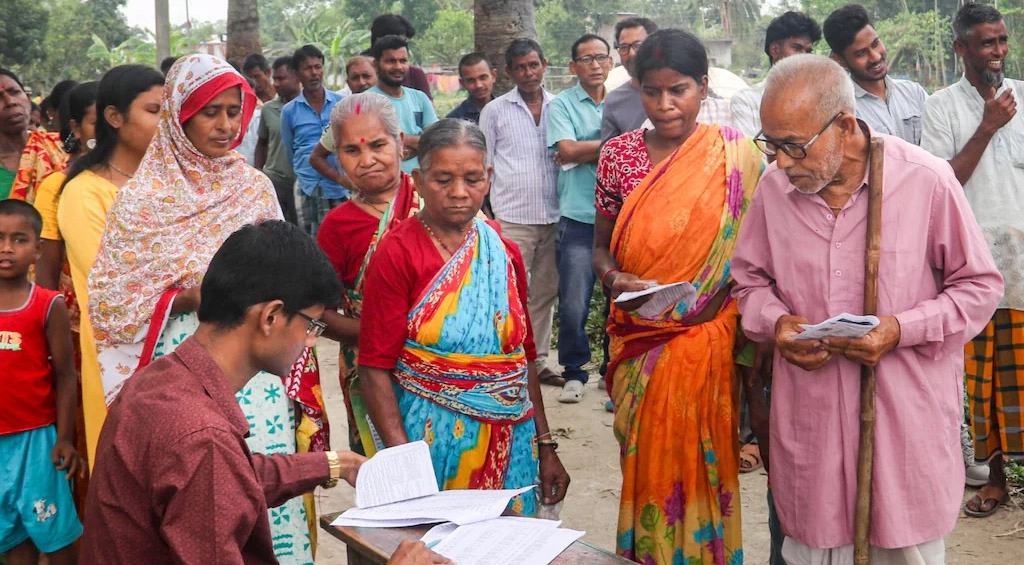
As the final phase of voting in West Bengal approaches, the state is witnessing an impressive turnout nearing 90%. This significant participation reflects the high stakes involved in the electoral contest, which has been characterized by intense political rivalries and a vibrant engagement of the electorate. Voters are making their voices heard in what is considered a crucial battle among various political parties, each vying for dominance in a region known for its diverse political landscape.
The atmosphere leading up to this final phase has been charged with anticipation, as candidates from multiple parties have campaigned vigorously across the state. The election is not merely a procedural exercise but a critical juncture that could reshape the political future of West Bengal. With issues such as development, governance, and social justice at the forefront, voters are keenly aware of the implications their choices will have on their communities. The near 90% turnout indicates a robust civic engagement, suggesting that citizens are invested in the democratic process and eager to influence the direction of their state.
Moreover, the high voter participation can be seen as a testament to the effective mobilization efforts by various political parties and grassroots organizations. Campaigns have utilized a mix of traditional and digital strategies to reach out to voters, ensuring that their messages resonate with the electorate. The stakes are particularly high given the historical significance of this election, as it may shift the balance of power among the competing political factions. As the final votes are cast, the outcome remains uncertain, but the enthusiasm displayed by the electorate is a promising sign for the health of democracy in West Bengal. The culmination of this electoral process will not only determine the immediate political landscape but also set the tone for future governance in the region.