In the lead-up to the counting of votes in the West Bengal elections, a wave of allegations surfaced regarding threats directed at workers of the Trinamool Congress (TMC). These claims not only heightened tensions among party members but also raised concerns about the overall electoral process in the region. The TMC, which has been a dominant political force in West Bengal, found itself in a precarious situation as reports emerged of intimidation tactics employed by rival factions. Such actions, if substantiated, could undermine the integrity of the voting process and diminish public confidence in the electoral system.
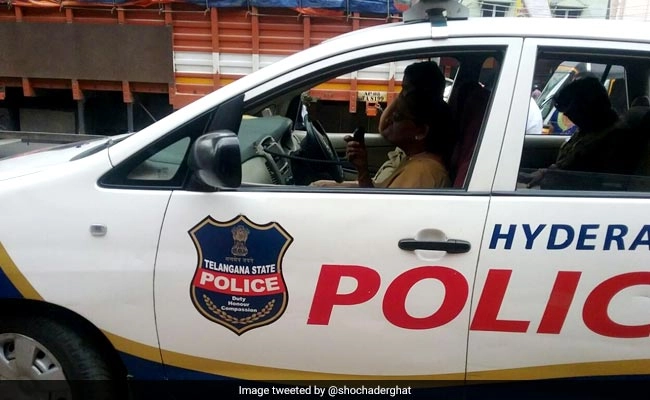
In response to these troubling allegations, security forces were deployed across various districts to ensure a peaceful counting process. The presence of law enforcement aimed to deter any potential violence or unrest that could arise due to the charged political atmosphere. Authorities recognized the importance of maintaining order during this critical phase of the elections, as the counting of votes is a pivotal moment that can determine the future political landscape of the state. The deployment of security personnel underscored the seriousness of the situation and the commitment of the government to uphold democratic principles.
The atmosphere in West Bengal during this period was fraught with uncertainty, as party workers anxiously awaited the results that could either reaffirm TMC’s dominance or usher in a new political era. With accusations of threats and intimidation swirling, the stakes were high, and the implications of the election outcome extended beyond party lines. Observers and citizens alike were closely monitoring the developments, hoping for a fair and transparent counting process that would reflect the will of the electorate. The situation highlighted the challenges faced in maintaining a peaceful democratic process in a politically charged environment, where allegations of misconduct can overshadow the essence of free and fair elections.