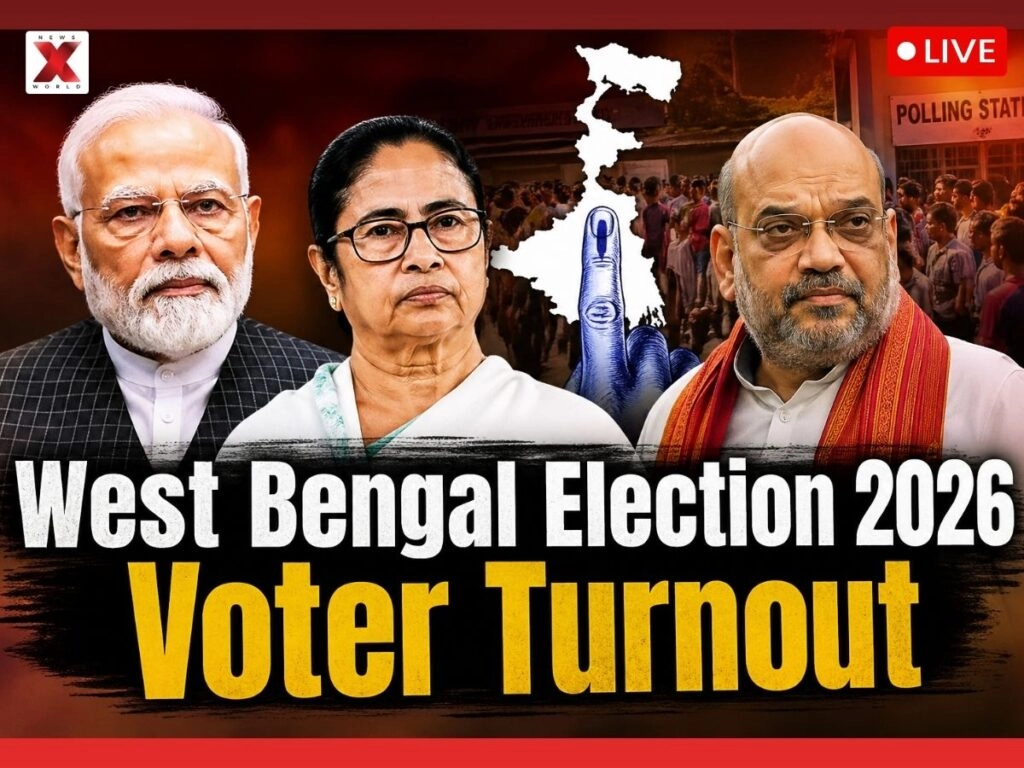
The second phase of voting for the West Bengal Election 2026 has commenced, marking a significant moment in the state’s political landscape. As the electorate heads to the polls, the atmosphere is charged with anticipation and intensity, particularly due to the fierce competition between the Bharatiya Janata Party (BJP) and the Trinamool Congress (TMC). Prime Minister Narendra Modi and Home Minister Amit Shah have both encouraged voters to participate in large numbers, emphasizing the importance of civic engagement and the impact of voter turnout on the democratic process. Their calls for a record turnout reflect the high stakes of this election phase, as both parties aim to secure their positions and influence the future governance of West Bengal.
The political rivalry in West Bengal has been characterized by a series of heated campaigns, with both the BJP and TMC making strong appeals to their respective bases. The BJP, which has been making significant inroads in the state, is determined to capitalize on its previous gains and expand its influence further. On the other hand, the TMC, led by Chief Minister Mamata Banerjee, is focused on retaining its dominance and countering the BJP’s strategies. Voter turnout is critical in this context, as it can determine the success or failure of the parties’ efforts and shape the political narrative in the state.
As the voting process unfolds, it is crucial for citizens to exercise their right to vote, as this is the cornerstone of democracy. The government and election officials have made extensive preparations to ensure a smooth voting experience, with measures in place to facilitate accessibility and safety at polling stations. Voter education campaigns have also been conducted to inform citizens about the voting process and the significance of their participation. With both national leaders rallying support for high voter turnout, the outcome of this election phase could have lasting implications for the political dynamics in West Bengal, making it essential for every eligible voter to make their voice heard.