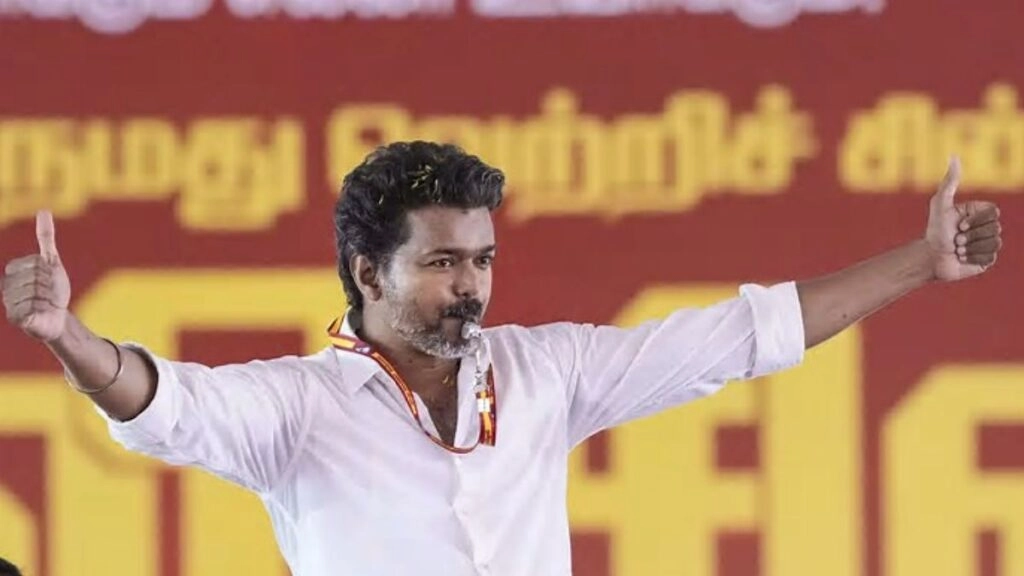
Vijay’s TVK, or Thalapathi Vijay Katchi, has made a remarkable entry into Tamil Nadu’s political landscape, achieving a significant milestone by winning over 100 seats in its debut election. This impressive performance has surprised many observers and analysts who did not anticipate such a swift rise in political clout. The party, which is associated with the popular film star Vijay, has leveraged his immense popularity and fan base to translate cinematic admiration into political capital. This strategy appears to have resonated deeply with the electorate, who have shown overwhelming support for the party’s vision and agenda.
The success of TVK can be attributed to several factors, including a well-organized campaign, effective outreach, and a strong grassroots presence. The party’s focus on addressing local issues and engaging with communities has helped it connect with voters on a personal level. Additionally, the charisma of Vijay as a leader and his commitment to social causes have further bolstered the party’s appeal. As a result, TVK has managed to carve out a significant space in Tamil Nadu’s political arena, challenging established parties and reshaping the dynamics of local governance.
The impact of TVK’s debut goes beyond just the number of seats won; it signifies a shift in the political landscape of Tamil Nadu. With over 100 seats secured, TVK is poised to play a critical role in the formation of the next government and policymaking processes. This newfound power will allow the party to influence key decisions, advocate for its agenda, and push for reforms that resonate with its supporters. As TVK navigates the challenges of governing, it will be interesting to observe how the party balances the expectations of its constituents while maintaining the momentum of its initial success.
Overall, Vijay’s TVK has demonstrated that celebrity influence can significantly impact politics, particularly in regions where film stars enjoy a cult-like following. The party’s entry marks the beginning of a new chapter in Tamil Nadu’s political history, and its future trajectory will be closely watched by both supporters and opponents alike. As the political landscape evolves, TVK has the potential to redefine alliances and alter the traditional power structures within the state, thereby igniting discussions about the role of entertainment figures in governance.