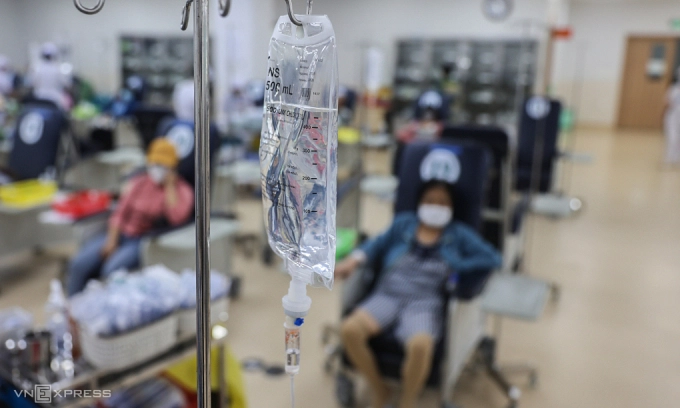
Vietnam is set to participate in clinical trials for mRNA cancer vaccines, marking a significant step in the country’s efforts to advance its healthcare and medical research capabilities. The decision to join these trials comes as part of a broader initiative to enhance the nation’s response to cancer, which has become a leading cause of morbidity and mortality in Vietnam. By collaborating on the development of mRNA vaccines, Vietnam aims to leverage cutting-edge technology that has shown promise in treating various types of cancers.
The mRNA vaccine platform, which gained prominence during the COVID-19 pandemic, offers a novel approach to cancer treatment by instructing cells to produce proteins that can trigger an immune response against cancer cells. This innovative technology is still in the experimental stages for cancer treatment, but initial studies have demonstrated its potential effectiveness. Vietnam’s involvement in these trials will not only provide access to advanced medical research but also contribute to the global effort to develop more effective cancer therapies.
This initiative is expected to foster collaboration between Vietnamese researchers and international pharmaceutical companies, paving the way for knowledge exchange and capacity building in the field of oncology. As Vietnam continues to invest in healthcare infrastructure and research, the participation in mRNA cancer vaccine trials represents a vital opportunity for the country to position itself as a key player in the global health landscape. With cancer rates rising, the urgency for effective treatment options has never been greater, and Vietnam’s involvement in these trials could lead to breakthroughs that benefit both local and international communities.
In conclusion, Vietnam’s commitment to joining clinical trials for mRNA cancer vaccines reflects a proactive approach to tackling one of the most pressing health challenges of our time. By embracing innovative technologies and fostering international partnerships, Vietnam is not only enhancing its healthcare system but also contributing to the global fight against cancer. As the trials progress, the outcomes could provide valuable insights and pave the way for new therapies, ultimately improving patient outcomes and survival rates in the region.