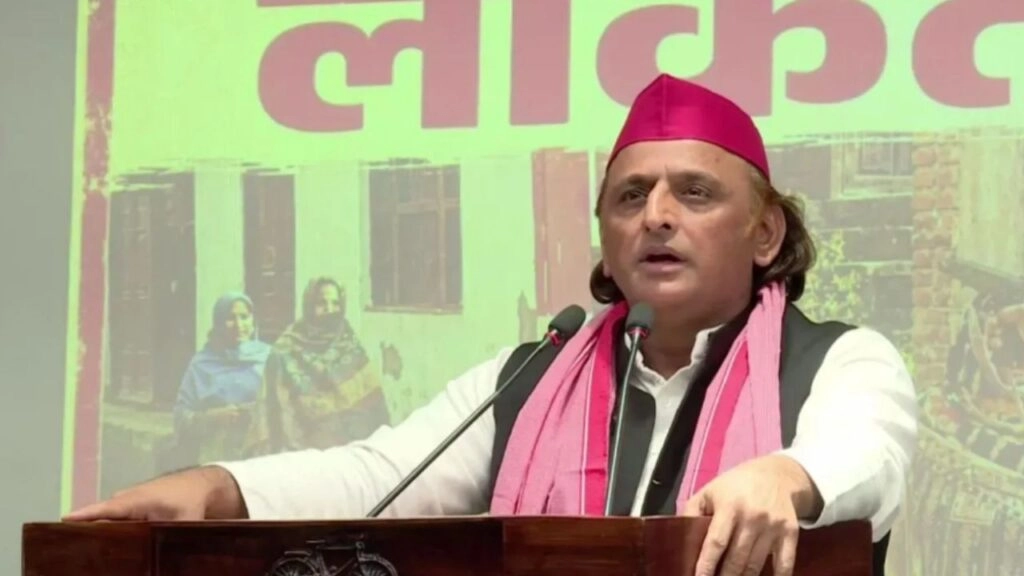
Akhilesh Yadav, the leader of the Samajwadi Party, recently conveyed a significant message to the Congress party ahead of the upcoming elections in Uttar Pradesh. His statement emphasized that the focus of the political landscape should not merely be on securing seats but rather on achieving a broader victory that encompasses the interests of the people. This perspective highlights a growing sentiment among political leaders to prioritize governance and the welfare of citizens over mere electoral gains.
In the context of Uttar Pradesh, a state with a complex political history and diverse electorate, Yadav’s message serves as a reminder that collaboration and unity among opposition parties can play a crucial role in challenging the ruling party. By advocating for a victory that transcends individual party interests, Yadav is calling for a collective effort to address the pressing issues facing the state, such as unemployment, poverty, and social justice. His approach suggests that a united front among opposition parties could lead to more effective governance and a stronger representation of the people’s needs.
As the elections approach, it becomes increasingly important for political leaders to engage with one another and foster alliances that can bring about meaningful change. Yadav’s emphasis on victory over mere seat counts reflects a strategic shift in political discourse, urging parties to move beyond traditional rivalries and work together for the greater good. This message resonates with voters who are looking for leaders committed to addressing their concerns and improving their quality of life, rather than those who are solely focused on winning elections.
Ultimately, Akhilesh Yadav’s call to the Congress party is a reminder that the true measure of success in politics lies not in the number of seats won, but in the tangible benefits delivered to the people. As the political landscape continues to evolve, leaders must prioritize collaboration and shared goals to create a more equitable and prosperous society. This approach could potentially redefine the dynamics of Uttar Pradesh’s political scene, setting a precedent for future elections and governance.