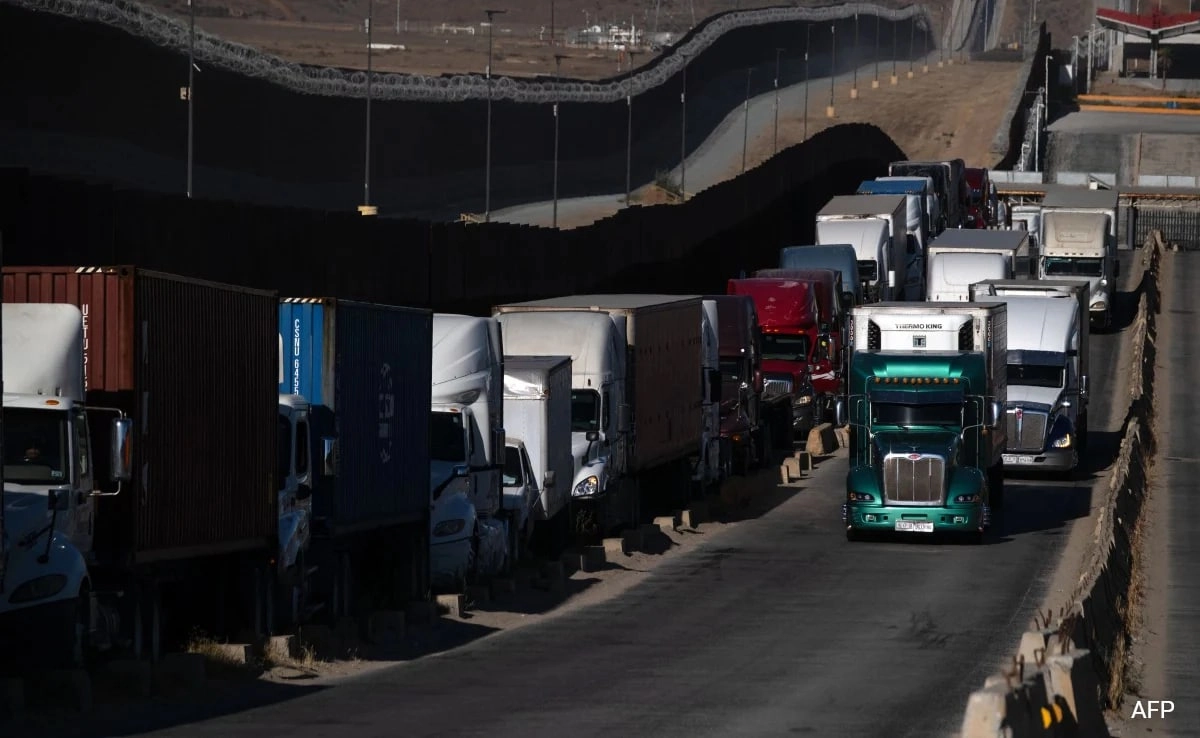
In a significant policy shift, the United States has halted the issuance of visas to foreign truck drivers, a decision that follows a tragic fatal crash in Florida involving a commercial vehicle. This move reflects growing concerns over road safety and the qualifications of foreign drivers operating within the U.S. transportation system. The crash, which claimed the lives of several individuals, has sparked public outcry and renewed discussions about the regulations governing foreign truck drivers. The incident has raised alarms about the adequacy of training and oversight for those who hold commercial driving visas, leading to increased scrutiny from regulatory bodies.
The decision to suspend visa applications for foreign truck drivers comes at a time when the trucking industry is grappling with a severe labor shortage. The industry has long relied on foreign drivers to fill gaps in the workforce, especially given the increasing demand for freight transportation in the U.S. economy. However, safety concerns have prompted lawmakers and transportation officials to reassess the criteria for issuing these visas. Critics argue that while the trucking sector needs drivers to maintain operations, ensuring the safety of all road users must take precedence. This balancing act presents a complex challenge as the industry looks for solutions to its workforce issues while simultaneously addressing safety standards.
Furthermore, the suspension of visas for foreign truck drivers could have far-reaching implications for the logistics and supply chain sectors. With the ongoing challenges posed by the COVID-19 pandemic, including supply chain disruptions and rising costs, the trucking industry plays a crucial role in the economy. The reduction in available drivers could exacerbate existing issues, leading to delays in deliveries and increased shipping costs. Industry leaders are now calling for improved training programs and regulatory frameworks that ensure both the safety of drivers and the efficiency of the supply chain. As the U.S. navigates this delicate situation, the need for a comprehensive approach to workforce development and safety regulations has never been more critical.