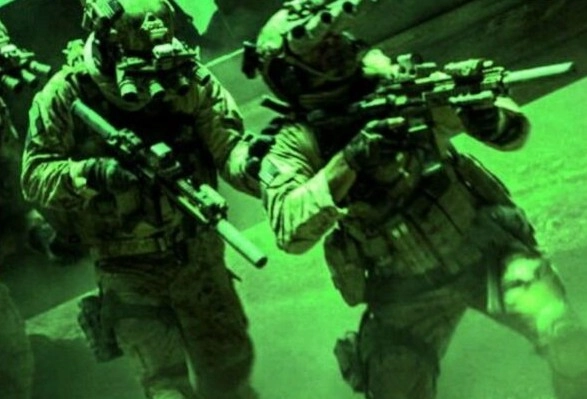
The recent developments surrounding the American pilot have escalated tensions between the United States and Iran. The U.S. Army has taken decisive action by deploying ground forces in response to the situation involving the American pilot, who has become a focal point in this ongoing geopolitical conflict. The deployment signifies a commitment to the safety and recovery of U.S. personnel, reflecting the seriousness with which the U.S. government approaches any threats to its citizens abroad.
In a striking countermeasure, Iran has announced a substantial reward of $66,000 for information leading to the pilot’s capture. This announcement not only underscores Iran’s determination to assert its interests but also serves as a provocative gesture that could further inflame relations between the two nations. The reward highlights the complex web of hostilities and rivalries in the region, where the actions of one country can provoke swift and often aggressive responses from another.
As the situation unfolds, the international community watches closely. The interplay of military presence, potential hostilities, and diplomatic efforts will be crucial in determining the outcome of this crisis. The U.S. Army’s ground operations aim to ensure the safety of American personnel, while Iran’s reward reflects its willingness to leverage the situation for its own strategic gains. This incident could serve as a flashpoint, illustrating the delicate balance of power and the ongoing struggle for influence in a region marked by longstanding tensions. As both sides navigate this complex landscape, the implications of their actions could resonate far beyond the immediate circumstances, affecting broader international relations and regional stability.