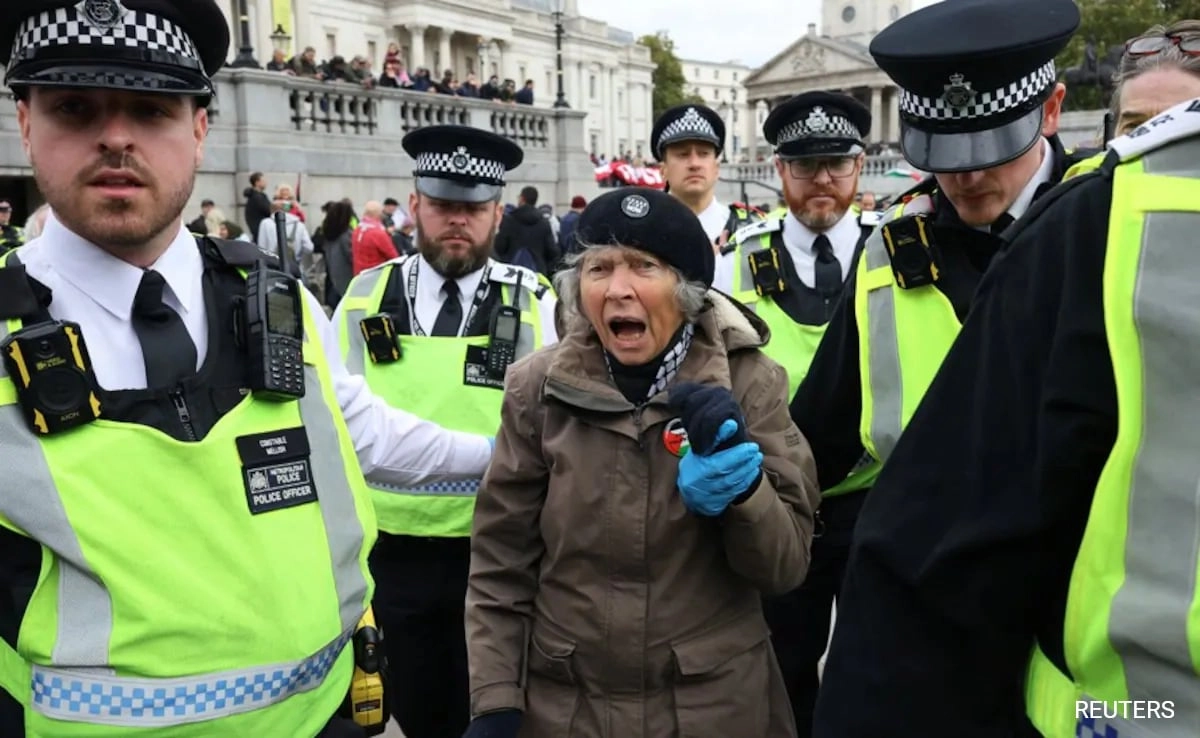
The UK government is taking significant steps to enhance police powers concerning public protests, aiming to impose stricter regulations on demonstrations across the nation. This move is largely driven by concerns over public safety and the need to maintain order during large gatherings that have the potential to disrupt daily life. The proposed measures include the ability for police to impose conditions on protests, such as setting time limits, restricting the locations where demonstrations can occur, and even prohibiting specific tactics that protesters might use. This initiative has sparked a heated debate about the balance between maintaining public order and safeguarding the right to free speech and assembly.
Supporters of the new powers argue that they are essential for preventing disturbances that could escalate into violence or significantly disrupt communities. They contend that large protests, especially those involving high-profile issues or controversial topics, can lead to traffic disruptions, public disorder, and even confrontations between opposing groups. By granting police the authority to manage these events more effectively, the government believes it can protect citizens while still allowing for the expression of dissenting views. Proponents also point to recent protests that have escalated into chaos, emphasizing the need for a proactive approach to crowd control.
On the other hand, critics of the proposed legislation warn that these enhanced powers could infringe on civil liberties and the fundamental right to protest. Activists and civil rights organizations express concern that the measures could be used to stifle legitimate dissent and disproportionately affect marginalized communities. They argue that restricting the ability to protest undermines democratic principles and could deter individuals from voicing their opinions on critical societal issues. Additionally, there are fears that such powers could be misused by authorities, leading to arbitrary enforcement and potential abuses of power in the name of maintaining order.
As the government prepares to implement these changes, the public discourse surrounding the issue will likely intensify. It remains to be seen how these new powers will be applied in practice and what impact they will have on protest movements across the UK. The ongoing conversation will undoubtedly shape the future landscape of civil liberties in the country, as advocates for both sides of the debate seek to ensure that their voices are heard. Balancing the need for public safety with the preservation of democratic rights will be a critical challenge for policymakers and law enforcement in the years to come.