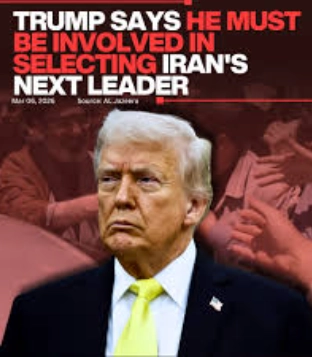
In a recent statement, former President Donald Trump outlined a controversial approach to U.S.-Iran relations, suggesting that he would take a hands-on role in selecting a new leader for Iran if he were to return to the presidency. This assertion comes amid ongoing tensions between the United States and Iran, particularly concerning the activities of the Islamic Revolutionary Guard Corps (IRGC), which has long been designated as a terrorist organization by the U.S. government. Trump’s proposal raises significant questions regarding foreign policy, international diplomacy, and the potential ramifications of such an interventionist stance.
Trump’s remarks included a stark ultimatum for the IRGC: they could either receive “immunity” from U.S. actions or face severe consequences, including death. This aggressive rhetoric reflects a broader strategy that Trump has often employed, characterized by a willingness to confront adversaries directly and adopt a more aggressive posture. By suggesting that he would personally influence Iran’s leadership, Trump indicates a desire to reshape the political landscape in Tehran, potentially sidelining existing leadership structures that he views as hostile to U.S. interests.
The implications of such a policy are profound. Not only would it disrupt the delicate balance of power in the Middle East, but it could also exacerbate existing tensions and lead to further conflict. Trump’s approach could provoke backlash from Iranian authorities and their allies in the region, resulting in heightened instability. Furthermore, the suggestion of offering immunity in exchange for compliance raises ethical and moral questions about the United States’ role in foreign governance and the potential consequences for ordinary Iranian citizens caught in the crossfire of such geopolitical maneuvers.
As discussions surrounding U.S.-Iran relations continue to evolve, Trump’s statements serve as a reminder of the complexities and challenges that come with foreign policy decisions. The prospect of intervening in another nation’s leadership selection process is fraught with risks and uncertainties, and it underscores the importance of diplomatic engagement and dialogue in addressing international conflicts. Ultimately, the future of U.S.-Iran relations will hinge on the choices made by leaders on both sides and their ability to navigate a path toward mutual understanding and stability.