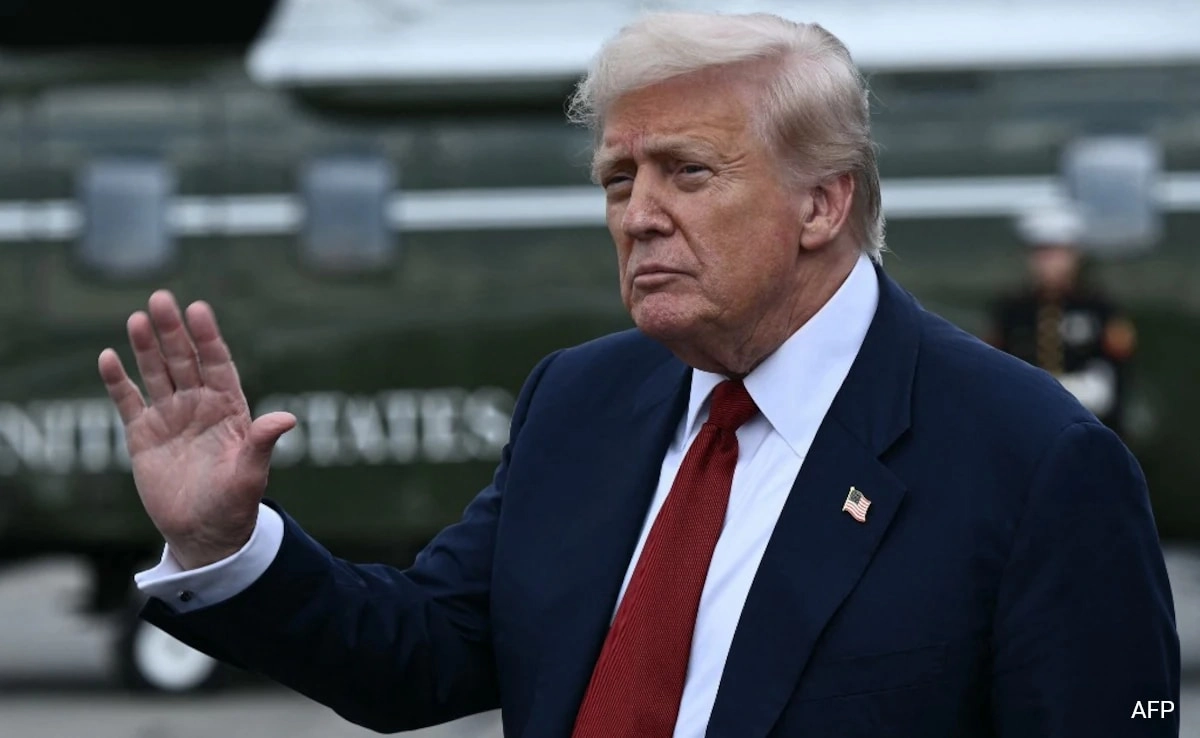
In a strategic move aimed at reshaping international trade dynamics, former President Donald Trump escalated tariffs on several major global trading partners, with a particular focus on countering China’s economic influence. The decision to ramp up tariffs reflects Trump’s long-standing belief that such measures are essential for protecting American industries and jobs from unfair competition. By imposing higher tariffs, the administration sought to incentivize domestic production and reduce reliance on imports, especially from countries perceived to engage in trade practices that disadvantage U.S. businesses.
The tariffs target a variety of goods, impacting not only China but also other key trading partners such as Canada, Mexico, and the European Union. This broad approach signals a shift in the U.S. trade policy landscape, where traditional alliances are tested by economic pressures and the pursuit of a more protectionist agenda. Critics of the tariff increases argue that while they may offer short-term benefits to certain sectors, they could lead to increased consumer prices and retaliatory measures from other nations, potentially igniting a trade war that could harm the global economy.
Additionally, the move to raise tariffs comes amid ongoing tensions with China over issues such as intellectual property theft, currency manipulation, and trade imbalances. The Trump administration has framed these tariffs as a necessary response to what it views as China’s unfair trade practices that undermine American competitiveness. By leveraging tariffs as a tool of economic diplomacy, the administration aims to pressure China into making concessions that would ultimately benefit U.S. businesses and workers.
As the U.S. navigates this complex trade landscape, the implications of these tariff increases extend beyond immediate economic considerations. They highlight a broader shift in global trade policies, where countries are increasingly willing to prioritize national interests over collaborative international agreements. This could lead to a reconfiguration of global supply chains and alter the dynamics of trade relationships, with countries reassessing their dependencies on one another in light of shifting economic policies. Ultimately, the effectiveness of these tariffs in achieving their intended goals remains to be seen, as the international community responds to the evolving trade environment shaped by Trump’s administration.