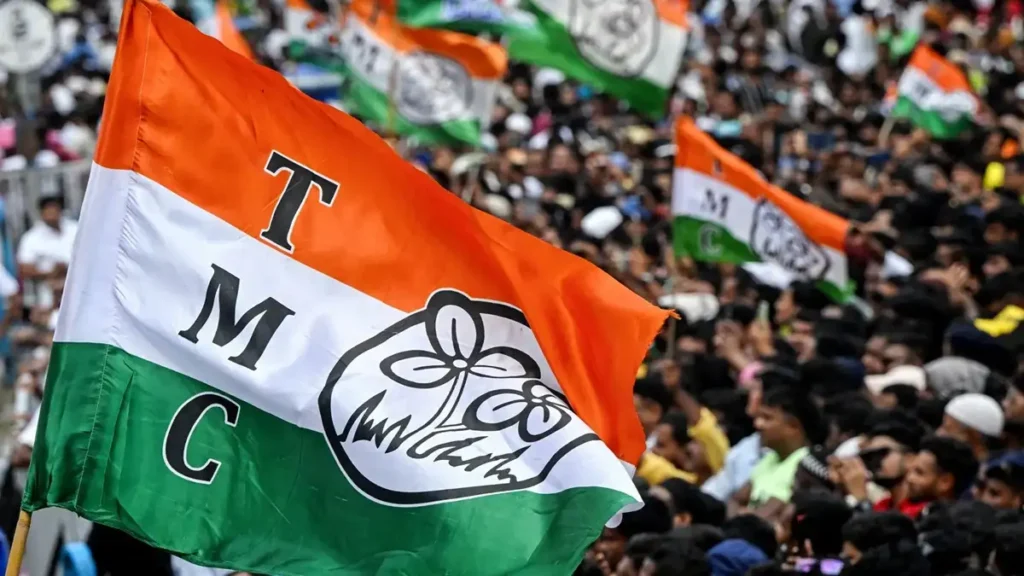
In a significant turn of events within the Trinamool Congress (TMC), a major rebellion has erupted as 19 Members of Parliament (MPs) have voiced their dissent against the party leadership. This internal strife has escalated with the recent addition of Sudip Bandyopadhyay, a prominent figure in the TMC, who has now aligned himself with the rebel faction. The situation underscores growing dissatisfaction within the party ranks, prompting concerns about its stability and future direction. The rebellion appears to be fueled by various factors, including disagreements over party strategies and leadership decisions.
To address the unfolding crisis, a crucial meeting is set to take place at the residence of a Union Minister in Delhi, highlighting the urgency of the situation. This gathering is expected to bring together key stakeholders and influential figures who are either part of the rebel camp or are sympathetic to their cause. The involvement of a Union Minister signifies the potential political ramifications of this rebellion, as it may attract the attention of other political entities and could lead to shifts in alliances within the broader political landscape.
As tensions rise, the TMC leadership is likely to face mounting pressure to respond effectively to this challenge. The rebellion not only raises questions about party unity but also poses a threat to the TMC’s electoral prospects in upcoming elections. Observers are keenly watching how the party navigates this tumultuous period, as the decisions made in the coming days could have lasting implications for its future. The internal conflict within the TMC serves as a reminder of the complexities and dynamics inherent in political parties, particularly in a rapidly changing political environment.