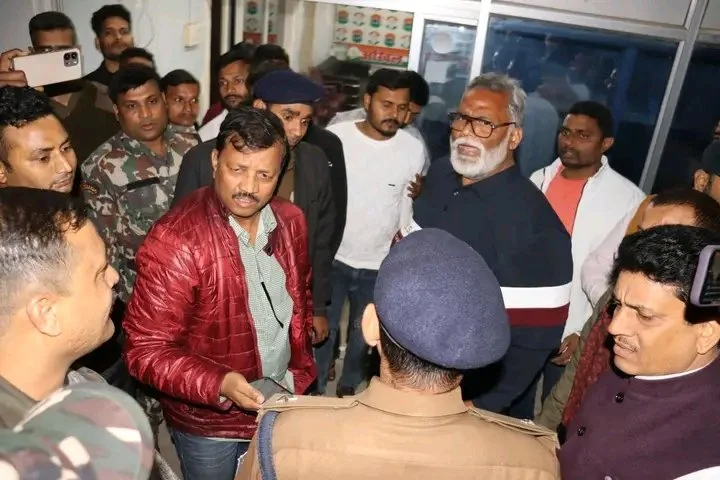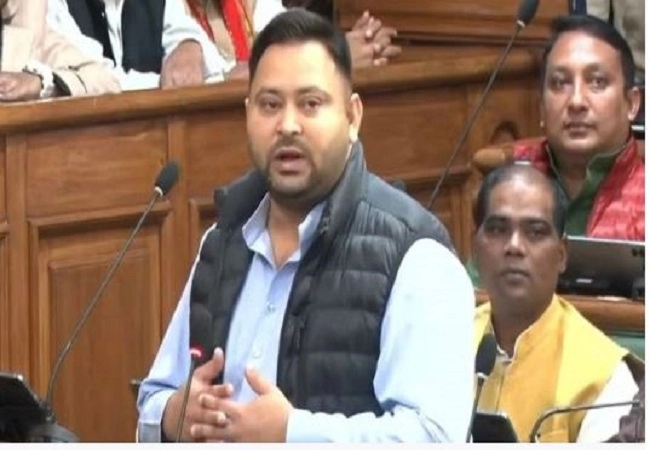
In a recent video, Tejashwi Yadav faced serious allegations of character assassination, sparking significant controversy within the political landscape. The accusations were leveled by a spokesperson from the Hindustan Awami Morcha (HAM), who claimed that Yadav’s behavior was influenced by alcohol, suggesting that he was under the influence as early as 6 o’clock in the afternoon. This statement raised eyebrows and ignited discussions about the integrity and conduct of political leaders in their public appearances.
The spokesperson’s comments not only questioned Yadav’s personal choices but also implied a broader concern regarding the accountability of politicians. Such accusations can have far-reaching implications, especially in a politically charged environment where public perception is crucial. Yadav’s response to these claims and how he addresses the situation may significantly impact his political career and the views of his constituents.
As the political drama unfolds, it highlights the often tumultuous nature of political rivalries and the lengths to which opponents might go to undermine each other. The use of personal attacks in political discourse is not new, but it raises ethical questions about the standards politicians should uphold. This incident serves as a reminder of the importance of maintaining professionalism and integrity in politics, as public figures are constantly scrutinized for their actions and statements.
As the situation develops, it will be interesting to see how Tejashwi Yadav navigates these allegations and whether they will affect his political standing. The incident underscores the volatile nature of political interactions in India, where personal and professional lines frequently blur in the heat of competition.