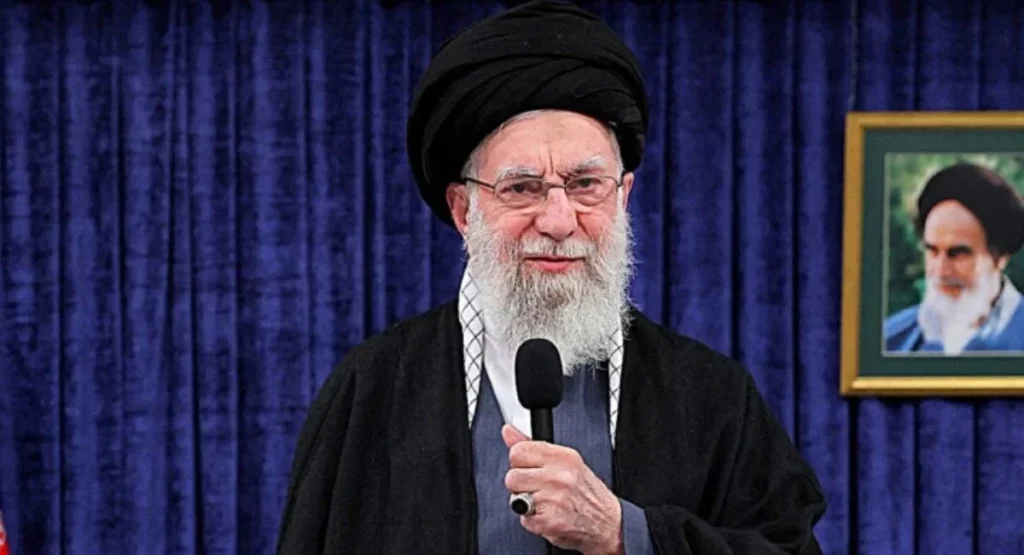
Reports have emerged claiming the death of Iran’s Supreme Leader, Ali Khamenei, alongside the tragic losses of his daughter, son-in-law, and grandson. Such news, if confirmed, would mark a significant turning point in Iranian politics and society. The Supreme Leader has been a central figure in Iran since the 1979 Islamic Revolution, wielding considerable influence over the country’s direction and policies. His passing, coupled with the demise of family members, could lead to a power vacuum and uncertainty within the ruling regime.
In response to this potential crisis, it has been reported that Iran is preparing for a period of mourning lasting 40 days. This traditional mourning period is deeply rooted in Iranian culture and signifies respect for the deceased. The nation is likely to witness widespread gatherings, memorial services, and public displays of grief, reflecting the profound impact Khamenei has had on the country. His leadership has been marked by both fervent support and significant opposition, and the reaction to his death could vary widely among different segments of the population.
The implications of Khamenei’s death extend beyond the immediate mourning period. The succession process in Iran is complex and could lead to internal power struggles among various factions within the ruling elite. This uncertainty may also embolden opposition groups and reformists who have been calling for change in the country. As Iran navigates this potential transition, the international community will be closely monitoring the situation, as it could influence regional stability and Iran’s foreign relations, particularly with the West. The coming weeks and months will undoubtedly be crucial for Iran as it grapples with the loss of its long-standing leader and the future direction of its governance.