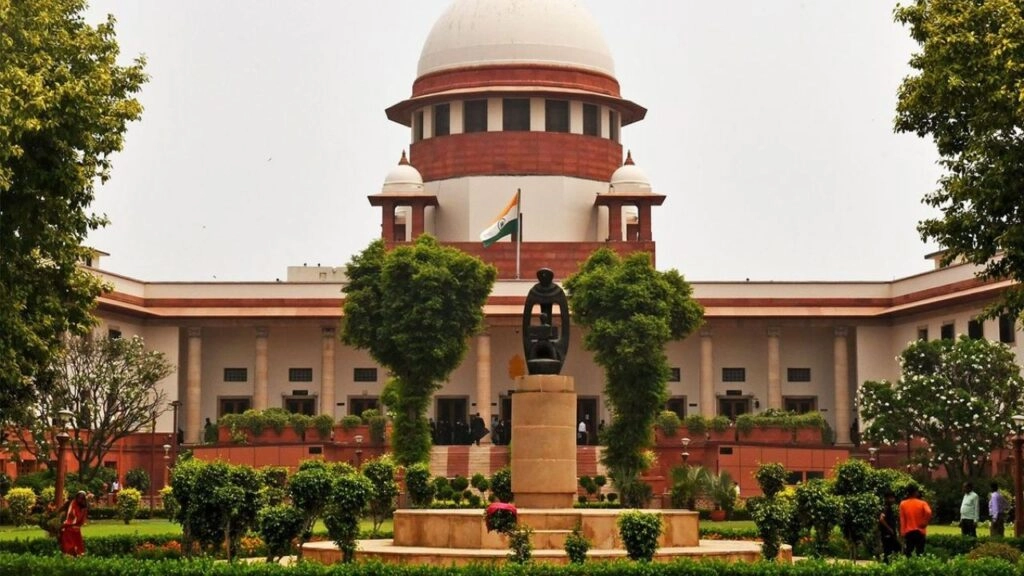
In a significant ruling, the Supreme Court has clarified the legal interpretation of what constitutes ‘atrocity’ under the Scheduled Castes and Scheduled Tribes (Prevention of Atrocities) Act. The court stated that instances of caste-based abuse that occur in private settings, such as closed rooms, do not meet the criteria for being classified as an atrocity. This judgment is pivotal as it delineates the boundaries of the law and raises questions about the nature of discrimination and its legal ramifications. The ruling suggests that for an act to be deemed an atrocity, it must typically occur in a public context or have a broader social impact, rather than being confined to a private or isolated incident.
This decision is likely to have far-reaching implications for the enforcement of the Atrocities Act, especially in cases where individuals from marginalized communities report incidents of caste-related discrimination. By emphasizing the context in which these acts occur, the court’s judgment may inadvertently create challenges for victims seeking justice. It raises concerns about the adequacy of legal protections for those subjected to caste-based harassment in private spaces, potentially leaving them without recourse in situations that are just as damaging, albeit not publicly visible.
This ruling also invites a broader discussion on the ongoing struggle against caste discrimination in India. While the legal framework aims to protect vulnerable communities, the nuances of such judgments highlight the complexities involved in addressing deeply rooted social issues. The Supreme Court’s stance could lead to a reevaluation of how caste-based offenses are reported and prosecuted, emphasizing the need for a more comprehensive approach that considers both public and private dimensions of caste abuse. As society grapples with these challenges, this judgment serves as a reminder of the multifaceted nature of discrimination and the ongoing need for legal and social reforms to combat it effectively.