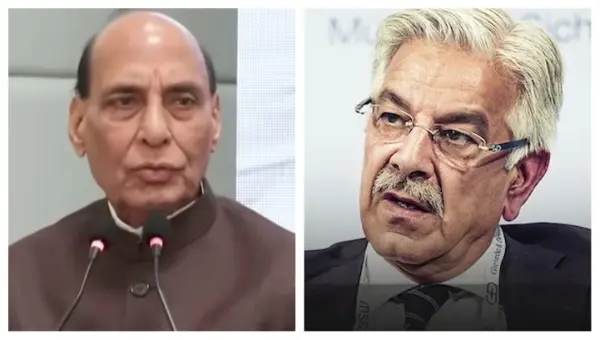
As the anniversary of the Pahalgam incident approaches, there is a palpable sense of “strategic anxiety” in the region, particularly among Indian officials. This term reflects the heightened concerns and tensions that often accompany significant anniversaries or events that have had a lasting impact on regional stability and security. In this context, Khawaja Asif, the Pakistani Defense Minister, has responded to remarks made by Indian Defense Minister Rajnath Singh, highlighting the ongoing complexities and challenges in Indo-Pak relations. The Pahalgam incident, which is rooted in historical conflicts, continues to evoke strong emotions and political maneuvering.
Khawaja Asif’s counter to Rajnath Singh’s statements signifies the deep-seated tensions that persist between the two nations. Asif emphasized that Pakistan remains vigilant and prepared to respond to any aggressive posturing from India. His remarks serve as a reminder of the fragile nature of peace in the region and the necessity for dialogue and diplomacy to address underlying issues. The anniversary not only marks a historical event but also serves as a catalyst for renewed debates on security, national identity, and the future of bilateral relations.
The strategic anxiety surrounding the Pahalgam anniversary underscores the broader geopolitical dynamics at play in South Asia. Both nations continue to grapple with their histories, territorial disputes, and the implications of military readiness. As the date draws closer, it is clear that both Pakistan and India are recalibrating their strategies in a bid to maintain stability while safeguarding their national interests. This ongoing tug-of-war reflects the complexities of post-colonial legacies and the enduring impact of historical grievances on contemporary politics. The need for constructive dialogue is more pressing than ever, as both countries navigate the challenges posed by strategic anxieties and the quest for peace.