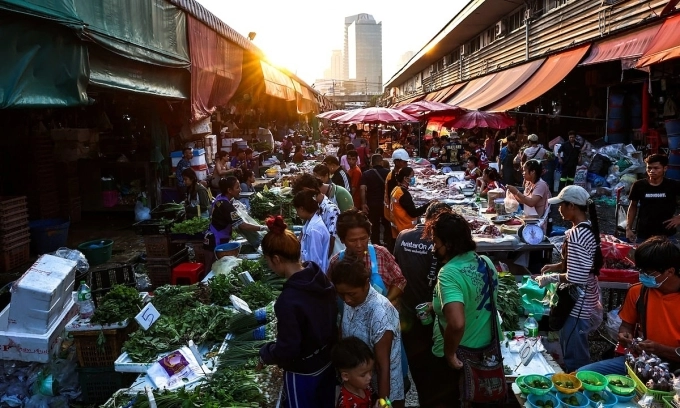
Southeast Asia’s second-largest economy has taken significant steps to alleviate the financial burdens faced by its citizens by launching a low-cost goods initiative. This program is designed to address the rising cost of living, which has become a pressing concern for many households in the region. With inflation rates affecting essential commodities, the government recognizes the urgent need to support its population, particularly those in lower-income brackets who are struggling to make ends meet.
The low-cost goods scheme aims to provide affordable products, including food and everyday necessities, thereby ensuring that basic needs are met without causing further strain on household budgets. By partnering with local producers and suppliers, the government is striving to maintain quality while keeping prices low. This initiative is expected to not only help consumers directly but also stimulate local economies by promoting domestic production and consumption.
In addition to providing immediate relief, the program is part of a broader strategy to promote economic stability and resilience in the face of ongoing global challenges. As the region grapples with the impacts of fluctuating international markets, the government is committed to safeguarding the welfare of its citizens. By fostering a supportive economic environment, the initiative also aims to encourage sustainable growth and development in the long run, ensuring that everyone has access to essential goods without compromising their financial security.
Overall, this low-cost goods initiative represents a proactive approach to tackling the cost of living crisis in Southeast Asia, reflecting the government’s dedication to improving the quality of life for its citizens amidst challenging economic conditions.