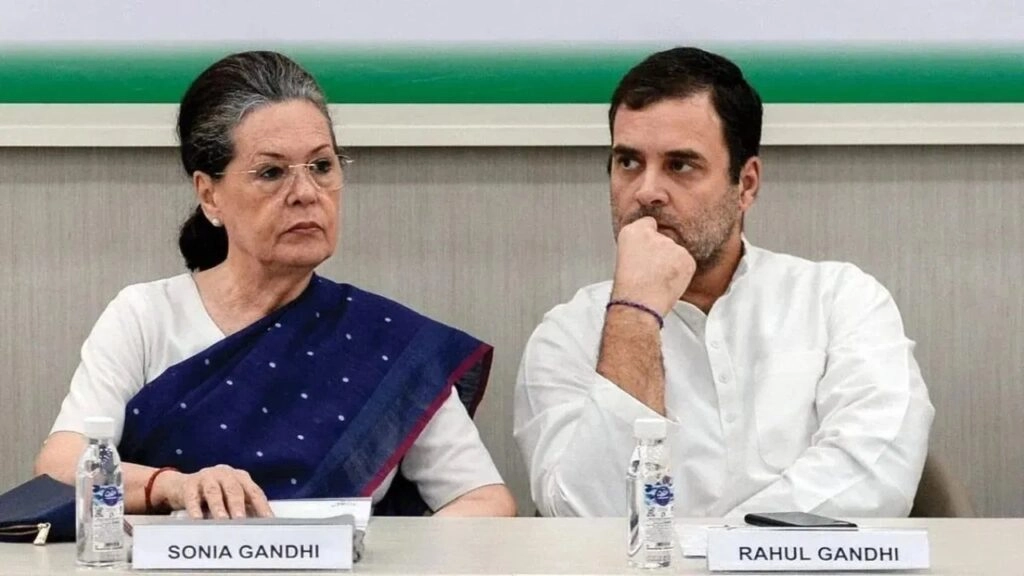
In a significant development regarding the National Herald case, Sonia Gandhi has received a reprieve as the court has decided not to take cognizance of the Enforcement Directorate’s (ED) charge sheet against her. This decision marks a crucial moment in a long-standing legal battle that has drawn considerable attention and scrutiny. The National Herald case involves allegations of financial irregularities linked to the acquisition of assets by the Young Indian company, which is associated with the Indian National Congress party.
The court’s refusal to acknowledge the charge sheet indicates a potential setback for the ED, which has been investigating the financial dealings connected to the newspaper and its parent company. Sonia Gandhi, a prominent political figure and former President of the Indian National Congress, has consistently denied any wrongdoing, asserting that the allegations are politically motivated. The case has been a point of contention in Indian politics, with critics arguing that it reflects a broader strategy to target opposition leaders through legal means.
This recent ruling may provide Sonia Gandhi and her party with some breathing space as they navigate the complexities of the legal framework surrounding the case. It highlights the ongoing tension between political entities and investigative agencies in India, raising questions about the impartiality and motives behind such investigations. The outcome of this case could have significant implications not only for Sonia Gandhi but also for the political landscape in India, as it underscores the intersection of law and politics in the country.
As the legal proceedings continue to unfold, it remains to be seen how this decision will impact the broader narrative surrounding the National Herald case and the Congress party’s future. The developments in this case will likely be closely monitored by both supporters and detractors of Sonia Gandhi, as they reflect the ongoing struggle for power and influence within the Indian political sphere.