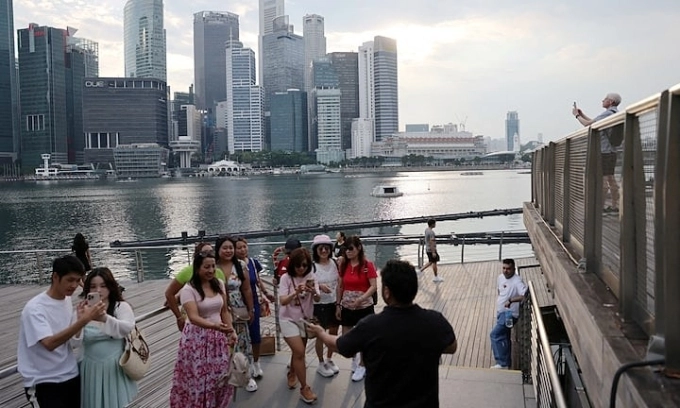
Singapore is taking proactive measures to address the challenges posed by its rapidly aging population. The government has announced plans to increase its annual intake of citizens by 30,000. This initiative aims to bolster the country’s workforce and ensure a sustainable demographic balance as the proportion of elderly citizens continues to rise. By welcoming more citizens, Singapore hopes to mitigate the potential economic and social impacts of an aging demographic, which could strain healthcare systems and pension schemes.
The decision to increase the population is rooted in the recognition that Singapore’s birth rates have been consistently low. As a result, the nation faces the dual challenge of an increasing number of retirees and a shrinking workforce. The government’s strategy includes not only attracting new citizens but also encouraging families to have more children through various incentives. By fostering a more robust population growth, Singapore aims to maintain its status as a vibrant economic hub in Southeast Asia while ensuring that the needs of its aging population are adequately met.
Moreover, the influx of new citizens is expected to bring diverse skills and perspectives to the workforce, enhancing innovation and productivity. This demographic shift could lead to a more dynamic economy capable of adapting to future challenges. The government is also investing in programs aimed at integrating newcomers into society, ensuring that they can contribute effectively to the nation’s growth. Overall, Singapore’s commitment to adding 30,000 citizens annually reflects a comprehensive approach to tackling the complexities of an aging population while fostering a thriving, inclusive society.