
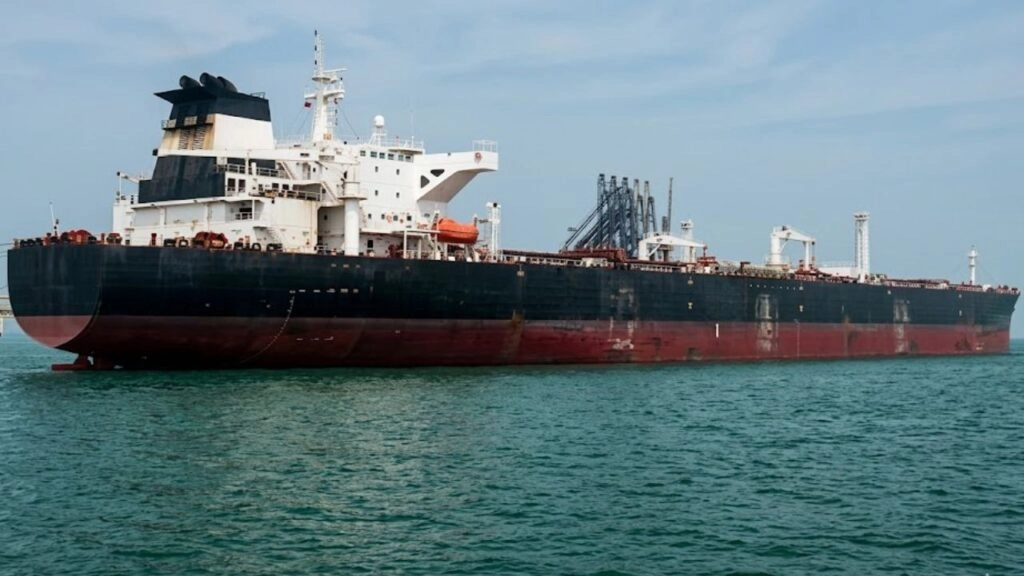
In a fascinating turn of events, an Indian captain made a daring decision while navigating the high seas that ultimately led to the successful delivery of millions of tons of oil to India. Operating with the ship’s radar turned off and in what is known as ‘dark mode,’ the captain took a significant risk that reflected both his confidence and his strategic foresight. This approach is not commonly used in maritime operations, as it involves navigating without the usual electronic aids that help ensure safety and detect nearby vessels. However, this decision was made to avoid detection and complications in an environment where logistics and timing are crucial.
The journey began with the intent to transport a substantial quantity of oil, which was essential for meeting India’s growing energy demands. The global oil market is often fraught with challenges, including geopolitical tensions and fluctuating prices, making it imperative for countries to secure reliable sources of oil. The captain’s decision to go dark was a calculated move to evade potential obstacles and ensure the smooth passage of the cargo. By minimizing electronic signals, the ship became less visible to surveillance systems, allowing it to traverse areas that might otherwise be restricted or monitored.
As the ship navigated through these treacherous waters, the crew relied heavily on traditional navigation methods, such as celestial navigation and dead reckoning, to guide their journey. This reliance on age-old techniques underscores the captain’s experience and expertise in maritime operations. The successful arrival of the oil shipment in India not only highlights the captain’s boldness but also reflects the complexity of modern maritime logistics, where every decision can have significant economic and strategic implications.
Ultimately, this incident sheds light on the lengths to which operators might go to secure vital resources in an increasingly competitive and uncertain global landscape. The successful delivery of millions of tons of oil to India is a testament to the captain’s skill and the intricate planning that went into the operation. It raises questions about the future of maritime navigation and the evolving strategies that will be employed as nations strive to secure their energy needs in an ever-changing world.


