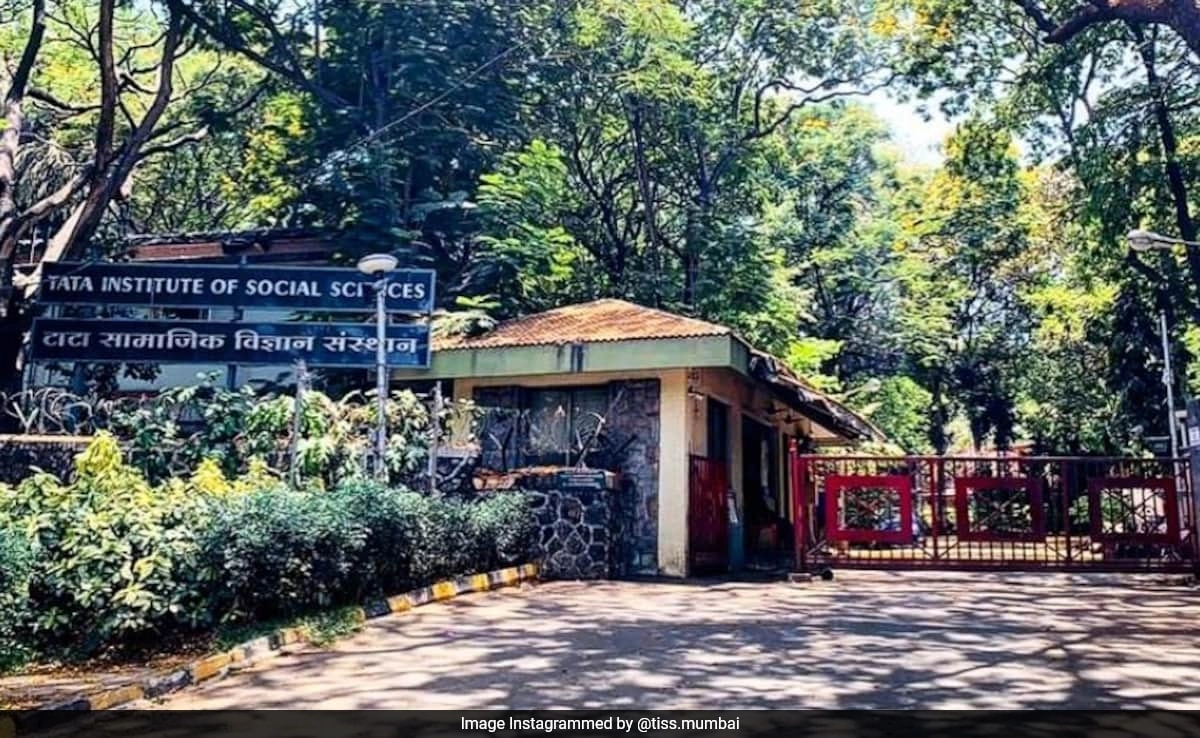
In a significant ruling, the Supreme Court has upheld the suspension of a Dalit research scholar from the Tata Institute of Social Sciences (TISS), a decision that has sparked widespread debate and concern over issues of academic freedom and discrimination in educational institutions. The case revolves around the suspension of the scholar, who was accused of misconduct, which the institution argued was necessary to maintain academic standards. However, the suspension has raised questions about the treatment of marginalized communities within academic settings, particularly in light of the ongoing struggles faced by Dalit students in higher education.
The Supreme Court’s decision has been met with mixed reactions. Supporters of the ruling argue that it reinforces the authority of academic institutions to enforce their codes of conduct, asserting that maintaining a disciplined academic environment is essential for the integrity of educational programs. Conversely, critics contend that the ruling undermines the rights of marginalized students and may perpetuate systemic biases that exist within academia. The case highlights the pressing need for a more nuanced understanding of how institutional policies can impact vulnerable populations, particularly in contexts where historical inequalities are prevalent.
This ruling also brings to the forefront the broader issue of caste discrimination in Indian academia. Dalit scholars often face unique challenges, including social ostracization and a lack of support from their institutions. The Supreme Court’s decision may inadvertently reinforce the notion that such students are less deserving of the protections afforded to their peers. As the educational landscape evolves, it is crucial for institutions to foster environments that are not only academically rigorous but also inclusive and supportive of all students, regardless of their caste background.
The implications of this ruling extend beyond the individual case, as it raises critical questions about the role of the judiciary in addressing issues of social justice within academic institutions. The tension between maintaining institutional authority and protecting the rights of marginalized groups will continue to be a focal point of discussion. As the discourse around caste and education continues to evolve, stakeholders must engage in meaningful dialogue to ensure that the rights and dignity of all students are upheld, paving the way for a more equitable educational landscape.