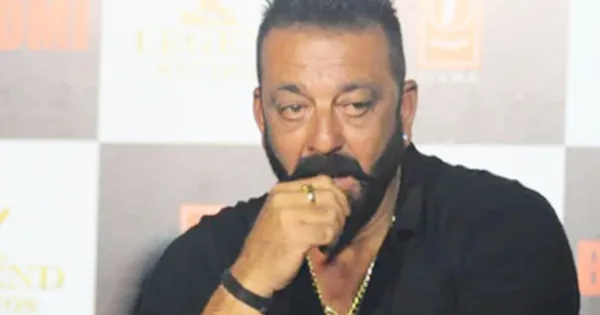
The controversy surrounding the song “Sarke Chunar” has taken a significant turn with actor Sanjay Dutt publicly apologizing for his remarks related to the traditional folk song. The song, which holds great cultural significance, was perceived by many as a misrepresentation of tribal heritage. In response to the backlash and the concerns raised by various communities, Dutt expressed his regret for any offense caused and acknowledged the importance of respecting cultural traditions.
In a heartfelt gesture, Sanjay Dutt announced that he would take responsibility for the educational expenses of 50 tribal girls. This decision not only reflects his commitment to addressing the concerns raised by the controversy but also highlights the importance of supporting education in marginalized communities. By investing in the education of these young girls, Dutt aims to empower them and provide opportunities that can help break the cycle of poverty and promote social upliftment.
Dutt’s apology and financial commitment have been met with mixed reactions. While some have praised the actor for his willingness to take action and rectify the situation, others argue that a mere apology is insufficient in addressing the deeper issues of cultural appropriation and sensitivity. The incident has sparked a broader conversation about the responsibilities of public figures in representing cultural narratives and the impact of their words and actions on communities.
Ultimately, the “Sarke Chunar” controversy serves as a reminder of the complexities surrounding cultural representation and the importance of fostering an environment where diverse voices are heard and respected. Sanjay Dutt’s actions may pave the way for more meaningful discussions about cultural sensitivity, as well as the role of the arts in honoring and preserving heritage. As society continues to navigate these conversations, it is crucial to prioritize education and empowerment for marginalized communities, ensuring that their voices and traditions are celebrated rather than misrepresented.