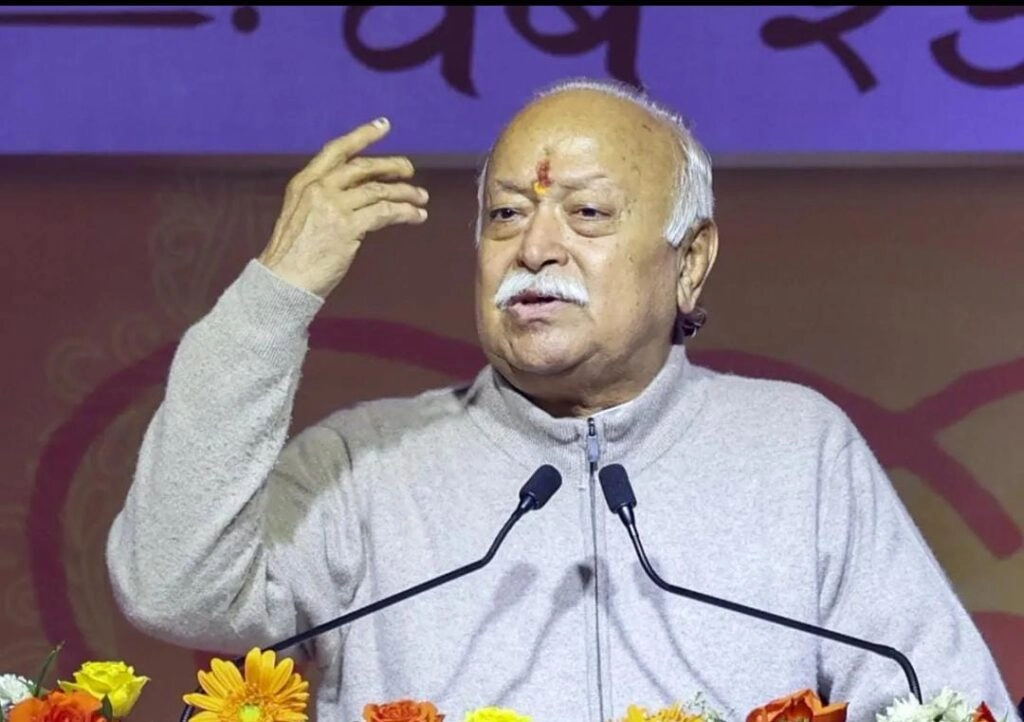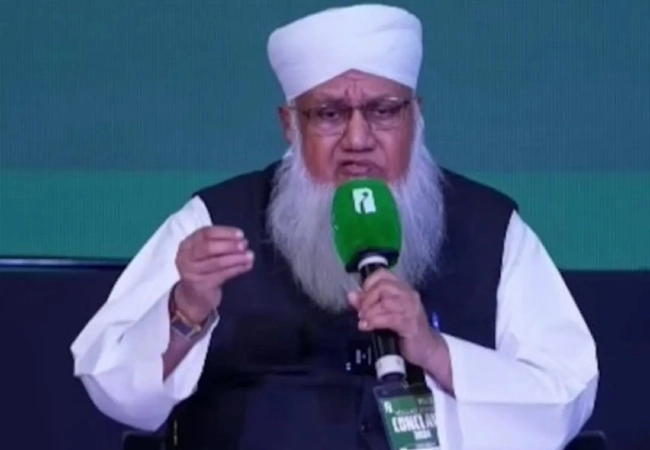
In a recent video, Sajjad Nomani made controversial remarks regarding the demographic and religious composition of India, claiming that Hindus do not constitute the majority in the country. His comments sparked significant backlash, particularly among those who feel that such statements promote division and discord among different communities. Nomani’s assertion that “Jats are not Hindus” further fueled the debate, raising questions about identity and belonging within various ethnic and religious groups in India.
Nomani’s remarks have drawn criticism not only from political commentators but also from social activists who advocate for unity among the diverse populations of India. Many argue that framing communities in such divisive terms undermines the spirit of coexistence that has been a hallmark of Indian society for centuries. Instead of fostering dialogue, statements like these can lead to misunderstandings and exacerbate tensions among different groups, which is particularly concerning in a nation with such a rich tapestry of cultures and beliefs.
In light of these comments, some have suggested that Nomani should first reflect on his own community and the challenges it faces before making sweeping generalizations about others. This call for introspection highlights a vital aspect of discourse: the need for individuals to understand their own identities and the complexities within their communities. Engaging in self-study and promoting internal dialogue can pave the way for more constructive conversations about identity and belonging in a pluralistic society.
Ultimately, the discourse surrounding Nomani’s statements serves as a reminder of the importance of respectful dialogue and understanding among all communities in India. In a nation where diversity is celebrated, it is crucial to approach discussions about identity with sensitivity and an awareness of the historical and social contexts that shape our perceptions. By fostering an environment of mutual respect and understanding, we can work towards a more harmonious society that values the contributions of all its members, regardless of their background.