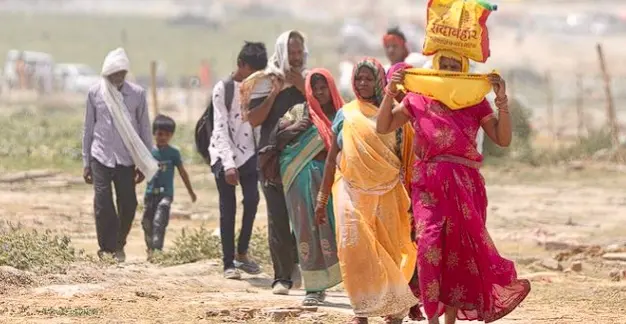
A recent report has raised alarming concerns about the future health of populations in poorer nations, projecting a tenfold increase in heat-related deaths by the year 2050. This significant rise is attributed to the escalating impacts of climate change, which disproportionately affect low-income countries that often lack the necessary resources and infrastructure to cope with extreme weather conditions. As global temperatures continue to rise, vulnerable communities will face heightened risks, particularly during heat waves, which are expected to become more frequent and severe.
The report highlights that millions of individuals in these nations are already facing health challenges due to rising temperatures, and without urgent intervention, the situation is poised to worsen dramatically. Factors such as limited access to healthcare, inadequate housing, and insufficient public health systems exacerbate the risks associated with extreme heat. Poorer populations often work in outdoor jobs or live in urban areas with limited green space, increasing their exposure to harmful heat levels. The anticipated rise in heat-related mortality emphasizes the urgent need for global action to address climate change and support adaptation strategies in the most affected regions.
In light of these projections, experts are calling for immediate measures to improve resilience against heat-related health risks. This includes investing in public health infrastructure, increasing access to cooling centers, and implementing early warning systems to alert communities about extreme heat events. Additionally, there is a pressing need for international cooperation to ensure that resources are allocated to assist poorer nations in their climate adaptation efforts. Failure to address these challenges could lead to a humanitarian crisis, further highlighting the intersection of climate change, health, and inequality.
As the world grapples with the escalating impacts of climate change, it is crucial for governments, organizations, and communities to prioritize the health and safety of vulnerable populations. The projected tenfold rise in heat deaths serves as a stark reminder of the urgent need for comprehensive strategies that encompass both mitigation of climate change and adaptation to its inevitable effects. By taking proactive steps now, we can work towards safeguarding the well-being of future generations and ensuring that the most vulnerable are not left to bear the brunt of a warming planet.