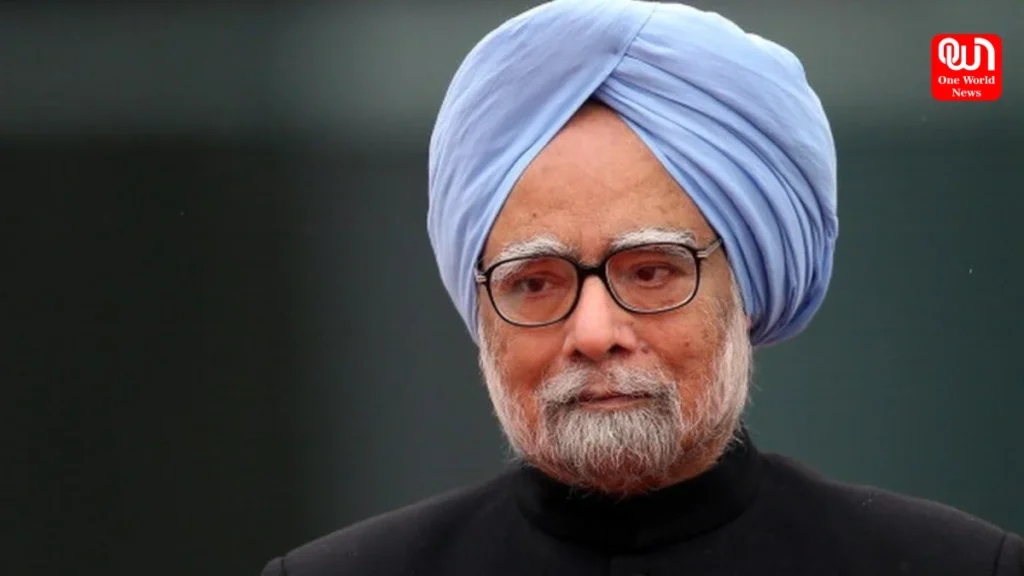
Dr. Manmohan Singh, a distinguished economist and revered former Prime Minister of India, will be commemorated on his birth anniversary in 2026. Born on September 26, 1932, in Gah, Punjab, Singh’s early life was marked by the challenges of partition, which profoundly influenced his outlook on economic development and national unity. He pursued his education in economics at prestigious institutions like the University of Cambridge and the University of Delhi, where he honed the analytical skills that would later define his political and economic career. Singh’s role in shaping India’s economic policy in the 1990s was pivotal, as he spearheaded the liberalization of the Indian economy, transitioning it from a closed system to one that embraced globalization and market dynamics.
As the Finance Minister from 1991 to 1996, Dr. Singh implemented sweeping reforms that dismantled the License Raj, reduced import tariffs, and encouraged foreign investment. His vision for a more open economy not only revitalized India’s growth trajectory but also positioned the country as a significant player on the global stage. Singh’s tenure as Prime Minister from 2004 to 2014 was characterized by continued economic growth, social welfare initiatives, and efforts to reduce poverty. His government focused on inclusive development, aiming to bridge the gap between urban and rural economies while also addressing issues like health care and education.
Dr. Singh’s leadership style was often described as calm and deliberative, emphasizing consensus-building and collaborative governance. His commitment to economic reforms and his ability to navigate complex political landscapes earned him respect both domestically and internationally. Even after leaving office, Singh’s insights into economic policy and governance continued to resonate, making him a sought-after voice in discussions on economic challenges faced by India and the world. As we approach his birth anniversary in 2026, it is essential to reflect on his legacy and the profound impact he has had on shaping modern India’s economic framework. His life and contributions serve as a reminder of the importance of visionary leadership in achieving sustainable development and prosperity for all.