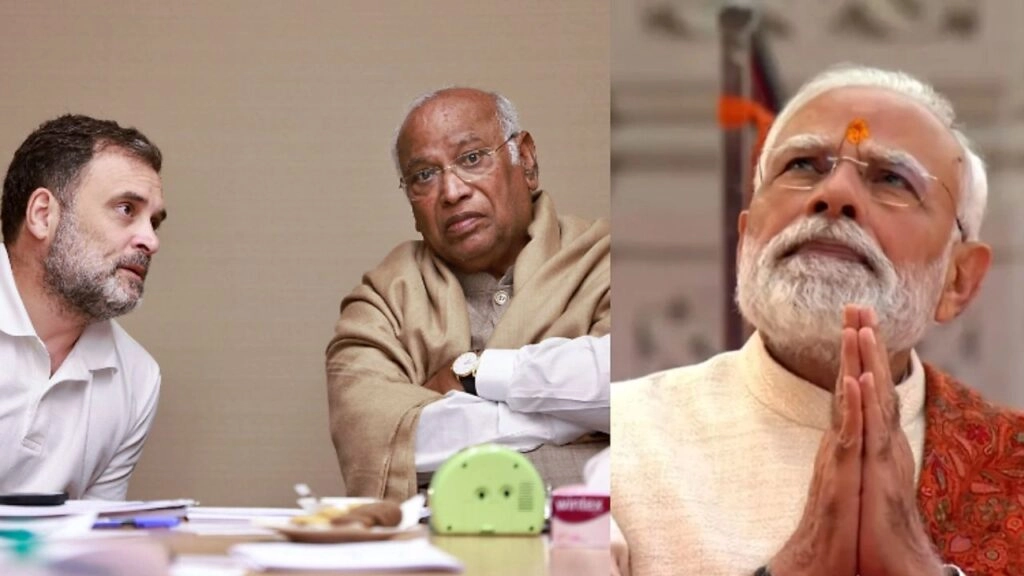
Rahul Gandhi and Mallikarjun Kharge have addressed a significant issue regarding the donations received for the construction of the Ram Mandir in Ayodhya. In a letter directed to Prime Minister Narendra Modi, they emphasized the critical need for transparency and accountability in the management of funds related to this religious project. The letters reflect their concerns about the potential misuse of donations and highlight the importance of ensuring that contributions are utilized appropriately, without any corruption or mismanagement.
The leaders raised questions about the sources of the donations, urging the Prime Minister to provide clarity on how these funds are being collected and spent. They pointed out that public trust is essential in such initiatives, particularly when large sums of money are involved, and that the government has a duty to ensure that every contribution is accounted for. By demanding accountability, Gandhi and Kharge are not only advocating for responsible governance but are also appealing to the sentiments of the public, who may be wary of the financial integrity behind such a significant religious project.
Additionally, the letter calls for an open dialogue about the implications of the Ram Mandir project on social harmony and national unity. The leaders argue that it is the government’s responsibility to foster an environment of inclusivity, especially in matters that hold deep religious significance for many. They believe that accountability in the donation process is vital not just for the sanctity of the temple’s construction but also for maintaining peace and unity among diverse communities within the country.
In summary, the correspondence from Rahul Gandhi and Mallikarjun Kharge to Prime Minister Modi serves as a crucial reminder of the importance of transparency in fundraising for religious projects. Their call for accountability resonates with broader concerns about governance and social cohesion, urging the government to act responsibly in managing public trust and resources. By highlighting these issues, the leaders are advocating for a more conscientious approach to religious initiatives that reflect the values of integrity and inclusiveness.