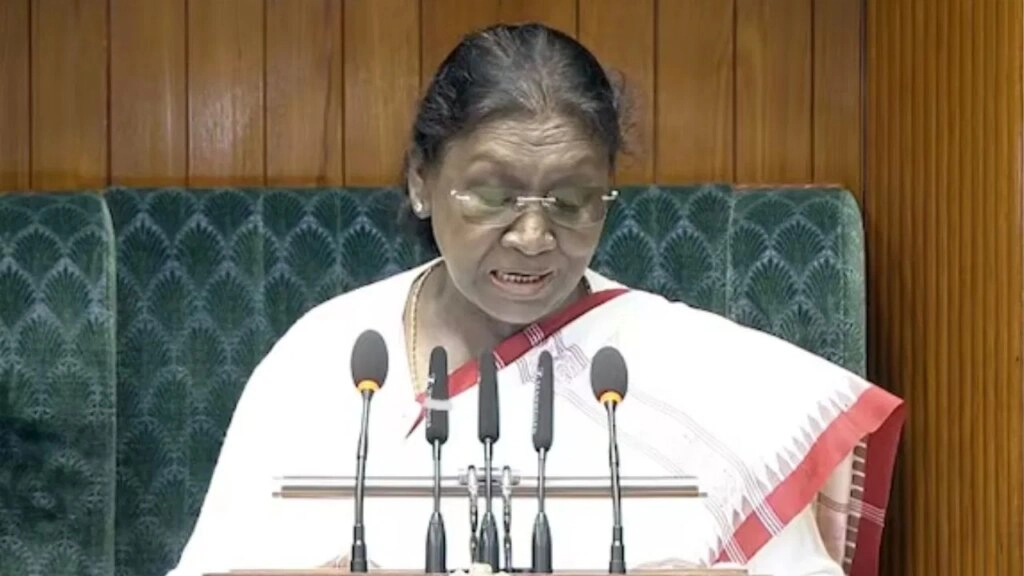
President Droupadi Murmu has recently sanctioned a significant reshuffle of Governors and Lieutenant Governors across various states in India. This decision marks a pivotal moment in the political landscape, as it reflects the government’s strategic repositioning and reallocation of key administrative roles. The reshuffle aims to enhance governance and streamline administration in different regions, ensuring that the leadership aligns with the current objectives and challenges faced by each state.
In this extensive reorganization, several prominent figures have been appointed to new positions, while others have been reassigned to different states. This move is seen as a way to inject fresh perspectives and vigor into the governance structure, particularly in states that may require a new approach to address their unique issues. The appointments come at a time when the nation is grappling with various socio-economic challenges, and the central government is keen on ensuring that capable leaders are placed in positions of authority to facilitate effective administration.
Moreover, this reshuffle underscores the President’s role in shaping the governance framework in India, as Governors and Lieutenant Governors play a crucial part in maintaining the constitutional balance within the states. By carefully selecting individuals who are not only experienced but also adept at managing complex political environments, the central government aims to foster stability and promote development across the nation. The changes are expected to resonate with the public and political spheres, as each appointee brings their unique leadership style and vision to their respective roles.
As the new appointees settle into their positions, there is a sense of anticipation regarding the impact this reshuffle will have on state governance and overall political dynamics. Observers are keenly watching how these changes will influence local policies, community engagement, and the relationship between state and central authorities. Ultimately, this strategic realignment is part of a broader effort to adapt to the evolving needs of the Indian populace and to reinforce the principles of effective governance in the country.