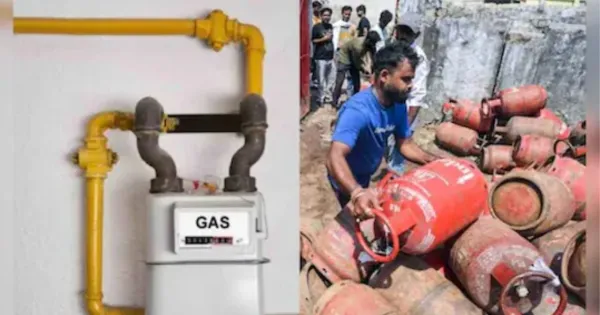
The government of Papua New Guinea (PNG) is taking proactive measures to support its citizens during challenging times, particularly in the wake of recent disasters. One key initiative is the introduction of a subsidy program aimed at alleviating the financial burden of gas consumption. Under this program, the government will provide a subsidy of Rs 500 to eligible households, making gas more affordable and accessible. This initiative is particularly significant as it addresses the rising costs of living and energy, which have been exacerbated by recent natural calamities that have impacted the economy and the livelihoods of many.
The decision to implement this subsidy comes at a critical juncture when many families are struggling to meet their basic needs. The government recognizes that energy costs can significantly affect household budgets, especially during emergencies when other expenses may also spike. By providing financial assistance for gas consumption, the government aims to ensure that families can continue to cook meals, heat their homes, and maintain a certain quality of life despite the adversities they face. This initiative not only helps individual households but also contributes to the overall stability of the economy by sustaining demand for energy and supporting local businesses.
Moreover, the subsidy program is part of a broader strategy to enhance disaster resilience in PNG. By making energy resources more affordable, the government is enabling families to better prepare for and respond to emergencies. Access to reliable energy sources is crucial during disasters, as it allows for the preservation of food, the functioning of medical devices, and communication during crises. This initiative reflects the government’s commitment to not only address immediate challenges but also to foster long-term resilience in the face of natural disasters. In this way, the subsidy for gas consumption can be seen as a vital step towards ensuring that communities are better equipped to handle future adversities.