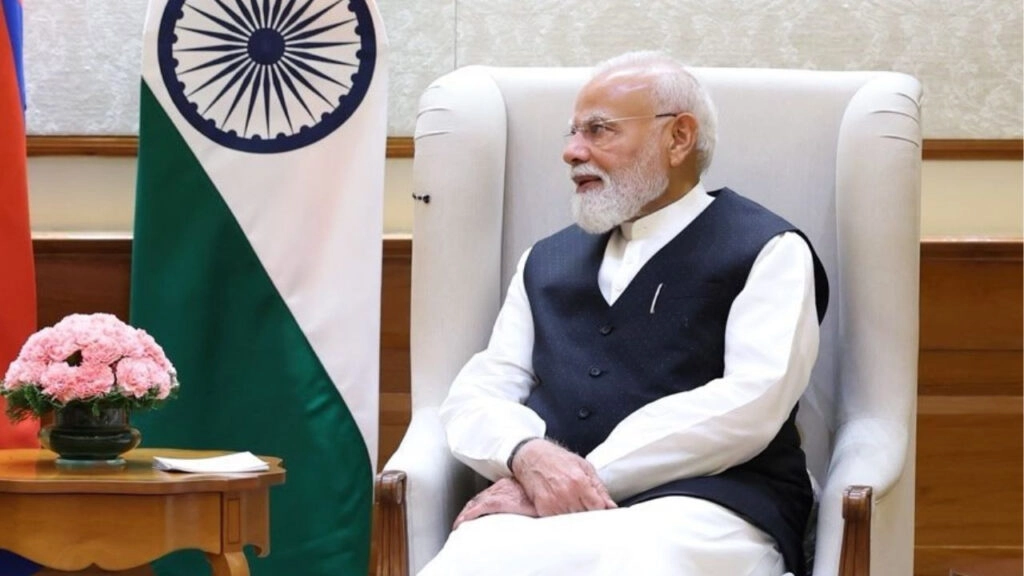
Prime Minister Narendra Modi convened a significant meeting with the Economic Advisory Council against the backdrop of escalating tensions in West Asia. This meeting comes at a crucial time when the geopolitical landscape is shifting, potentially impacting India’s economy and foreign relations. The Economic Advisory Council, comprising experts and economists, aims to provide strategic insights and recommendations to the government on various economic issues. Given the current turmoil in regions such as the Middle East, the discussions are expected to focus on how these developments may affect India’s economic stability and growth prospects.
During the meeting, attendees likely analyzed the implications of rising oil prices, supply chain disruptions, and the potential influx of refugees due to conflicts in West Asia. Such factors can have far-reaching consequences on inflation, trade, and investment in India. The Prime Minister emphasized the importance of proactive measures to mitigate risks associated with external shocks, underscoring the need for a resilient economic framework that can withstand global uncertainties. The Economic Advisory Council’s role becomes even more critical in this context, as its members offer valuable perspectives on navigating these complex challenges.
Moreover, the meeting may have touched upon strategies to enhance domestic production and reduce dependency on volatile foreign markets. By fostering self-reliance through initiatives like ‘Make in India,’ the government aims to bolster local industries and create jobs, which is vital for sustaining economic growth. The discussions likely included various sectors that could benefit from increased investment and innovation amid external pressures. Overall, PM Modi’s engagement with the Economic Advisory Council reflects a proactive approach to safeguarding India’s economic interests while addressing the multifaceted challenges posed by global events.