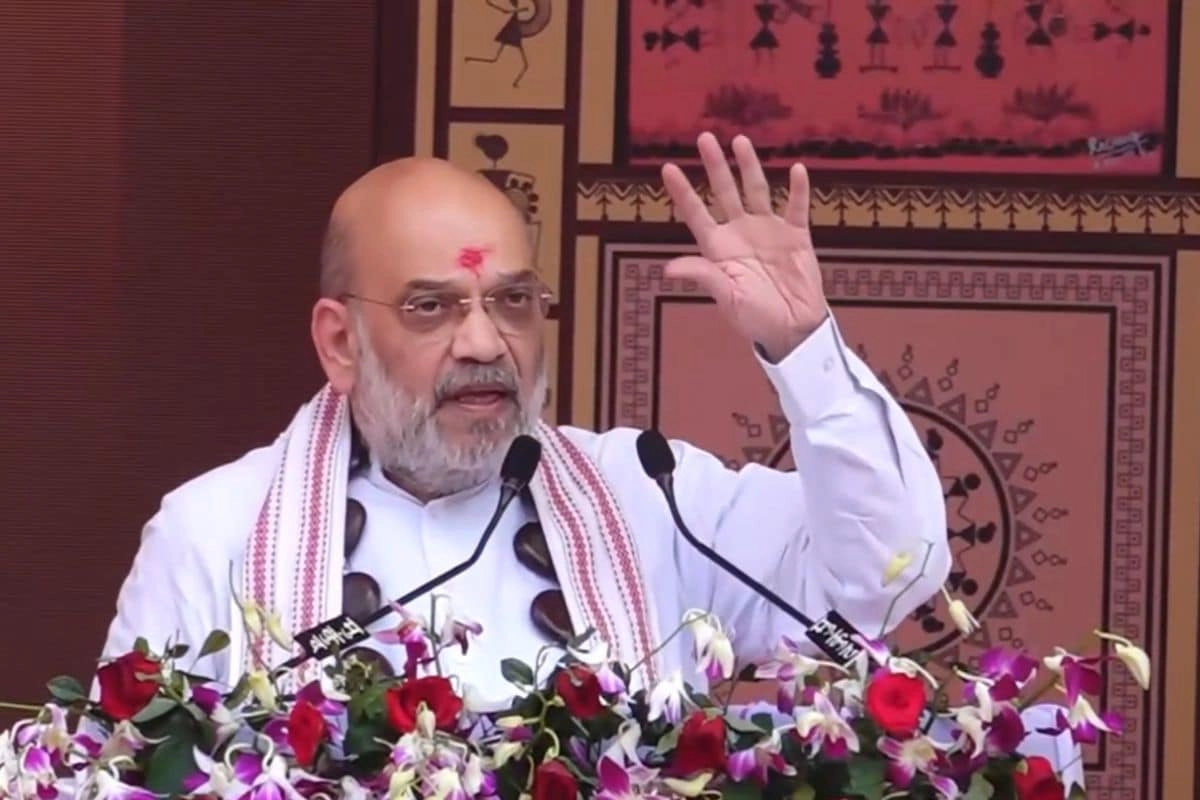
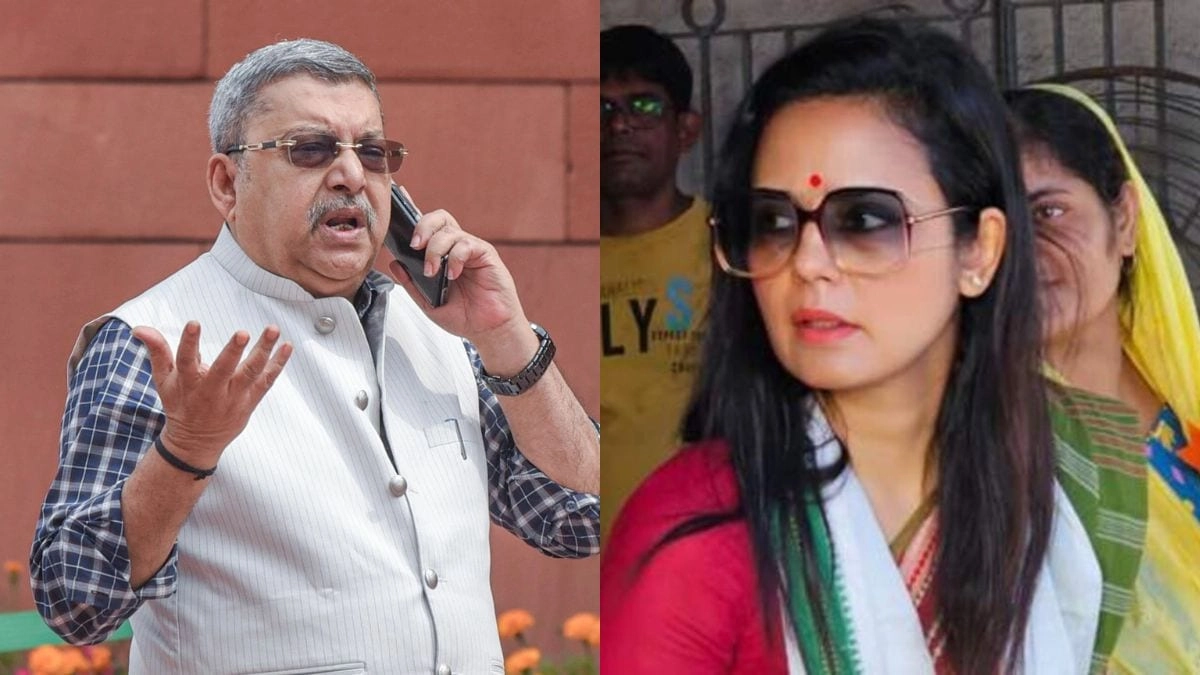
In a significant session of Parliament, a special discussion was held to commemorate the 150th anniversary of the iconic song “Vande Mataram.” This event not only highlighted the cultural and historical importance of the song, which played a pivotal role in India’s struggle for independence, but it also served as a backdrop for ongoing political dynamics in the country. Various political leaders emphasized the need to revisit the values and aspirations encapsulated in “Vande Mataram” as they resonated with contemporary challenges. While the discussion was marked by a spirit of nationalism and unity, it also revealed the underlying tensions prevalent in the political landscape, especially in light of the upcoming elections in West Bengal.
The Bengal elections have intensified political rivalries, drawing significant attention from influential leaders, including Prime Minister Narendra Modi and Congress leader Priyanka Gandhi. Both leaders are keenly aware of the stakes involved, as West Bengal has become a battleground for political ideologies and party supremacy. Modi’s Bharatiya Janata Party (BJP) aims to expand its influence in a state traditionally dominated by the Trinamool Congress (TMC), making the electoral contest particularly fierce. Meanwhile, Priyanka Gandhi’s presence signifies the Congress party’s determination to reclaim its foothold in the region, further complicating the electoral scenario.
As the campaign heats up, confrontations between party leaders are becoming more common, reflecting the high stakes of the elections. Modi’s speeches often evoke a sense of patriotism, invoking “Vande Mataram” to rally support, while Priyanka Gandhi focuses on issues such as social justice and economic development. Their contrasting approaches highlight the broader ideological battle that is unfolding in West Bengal, where voters are faced with a choice not only between parties but also between differing visions for the future of the state. The impact of these elections is likely to resonate far beyond Bengal, influencing national politics and shaping the discourse leading up to the next general elections.
As the Parliament discussion on “Vande Mataram” underscores the importance of national identity and heritage, the Bengal elections serve as a reminder of the ongoing struggles within Indian democracy. The outcome of these elections could potentially redefine party dynamics and alter the political landscape in the country. With leaders like Modi and Priyanka Gandhi taking center stage, the focus is not merely on winning votes but on shaping the narrative around identity, governance, and the future of India itself. The interplay between cultural celebrations and election fervor exemplifies the complexities of Indian politics, where history and contemporary issues are inextricably linked.