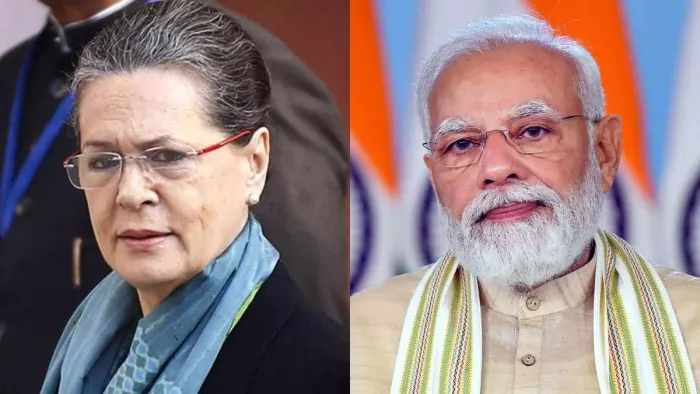
There was significant uproar in the Parliament recently following comments made about Prime Minister Narendra Modi, which were perceived as abusive by members of the Bharatiya Janata Party (BJP). The incident escalated tensions within the political arena, prompting the BJP to formally demand an apology from Sonia Gandhi, the leader of the Indian National Congress. The situation unfolded during a session when opposition members raised concerns regarding various issues, and it was during this debate that remarks directed at Modi were made, igniting a fierce backlash from the ruling party.
In response to the comments, BJP leaders expressed outrage, arguing that such language is not only disrespectful to the Prime Minister but also undermines the dignity of the parliamentary process. They accused the opposition of resorting to personal attacks rather than engaging in constructive discourse on pressing national issues. The demand for an apology from Sonia Gandhi highlighted the BJP’s stance that leaders should maintain decorum and respect in political discussions, particularly when addressing the head of the government.
The chaos in Parliament serves as a reminder of the deepening divides in Indian politics, where personal and partisan animosities often overshadow substantive debates. The BJP’s reaction reflects a broader strategy to rally its supporters around a narrative of victimhood, portraying their leader as the target of unwarranted attacks. This incident not only illustrates the contentious nature of contemporary Indian politics but also raises questions about the standards of political discourse and the responsibilities of party leaders to foster a more respectful environment within legislative bodies.
As the political landscape continues to evolve, such incidents may have implications for future interactions between parties, potentially influencing public perception and voter sentiment ahead of upcoming elections. The call for decorum in political discussions is essential for the health of democracy, and how leaders respond to provocations can shape the tone of political engagement in the country moving forward.