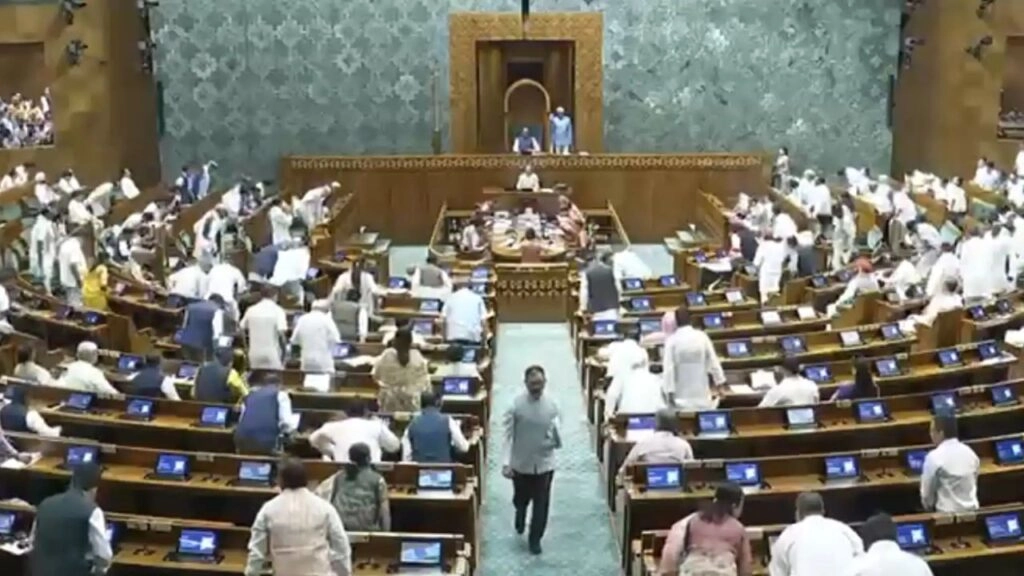
The recent budget session in Parliament has been marked by significant tensions and dramatic developments, particularly involving the opposition parties. During this session, eight members of parliament (MPs) from various opposition factions were suspended, raising questions about the political climate and the functioning of democratic processes within the legislative body. The incident has drawn attention to the ongoing struggles between the ruling party and the opposition, highlighting the challenges faced in reaching consensus on critical budgetary issues.
The suspensions occurred amidst heated debates and disagreements over key financial proposals that are crucial for the country’s economic planning. Reports indicate that the opposition MPs were protesting against what they perceived as unfair practices by the ruling party, which they claim undermined their ability to effectively represent their constituents. This situation escalated into confrontations in the parliamentary chamber, leading to the decision to suspend the MPs in question. The implications of such suspensions are significant, as they not only affect the individuals involved but also reflect broader issues of governance and accountability within the parliamentary system.
As the budget session progresses, the focus will likely remain on the dynamics between the ruling party and the opposition. Observers and analysts are closely monitoring how these developments will influence legislative procedures and the overall atmosphere in Parliament. The ability of the government to push through its budgetary agenda in the face of opposition will be a crucial test of its political strength. Moreover, the actions taken against the opposition MPs may lead to further polarization within the parliament, raising concerns about the future of bipartisan cooperation and the health of democratic discourse in the country.